
Summer Maintenance
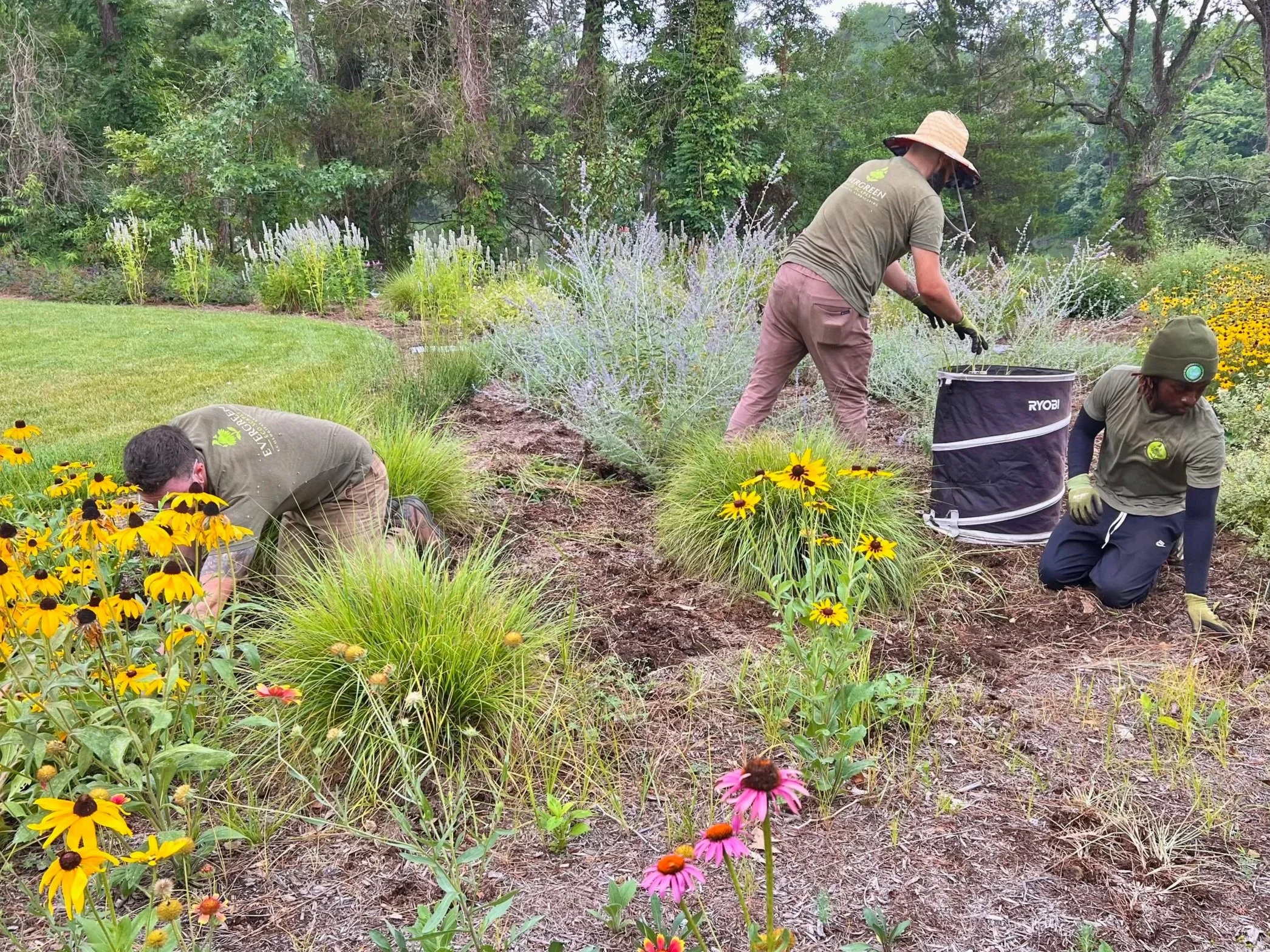
At Evergreen Eco-Scapes, we believe that lawns and gardens can be maintained in the summer without harming the environment. There are many ways you can do this yourself. In this post, we talk about summer maintenance specific to southeast Virginia, such as watering your lawn, mowing, chemical fertilizers and pest control, mulching, stormwater maintenance, and late summer maintenance. These are all important pieces of information about keeping your outdoor spaces looking amazing through the summer.
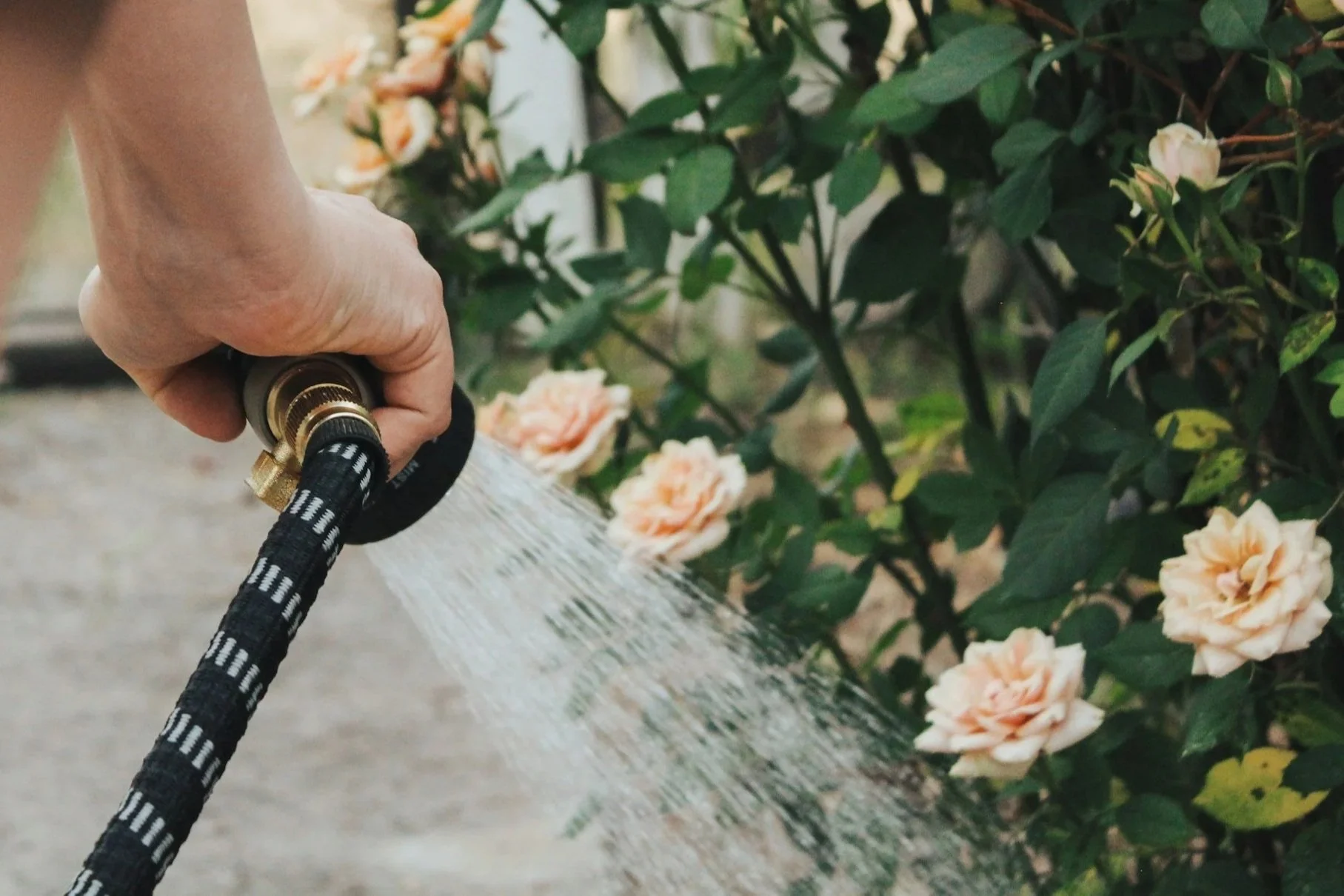
Water Wisely
We do not recommend watering your lawn unless absolutely necessary, which is for drought protection only.
The best time to water your lawn is early in the morning to reduce evaporation and fungus growth.
Aim for about an inch of water per week, including rainfall. If you get over an inch of rainfall in a week, avoid adding more water to your lawn. Overwatering can be harmful for your lawn as it causes runoff which washes away nutrients and promotes fungal growth.
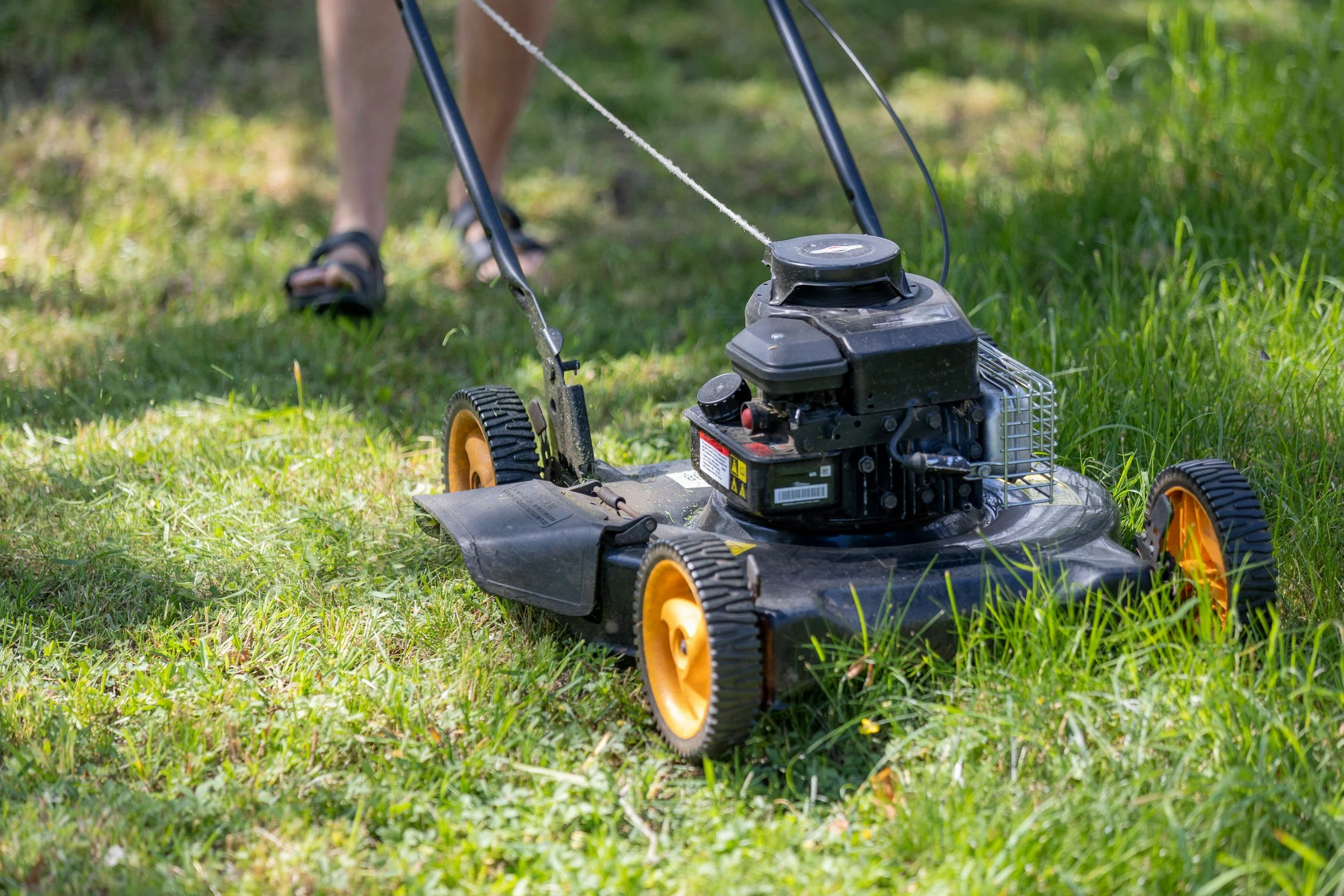
Mow High
Your lawn mower should be set between 3.5-4 inches in the summer. Low grass can be harmful to your lawn as it causes more moisture to be released, which leaves a dry and unhealthy looking lawn.
Leave grass clippings on the lawn to act as a natural fertilizer and mulch which adds plant-loving nitrogen back to the soil. This also helps to shade plant roots and retain moisture.
Skip the Chemical Fertilizers
It is important to avoid high-nitrogen synthetic fertilizers, especially during the summer to prevent grass burning and nutrient runoff into the Chesapeake Bay watershed.
If fertilization is necessary, opt for lightweight organic soil conditioners or compost to improve moisture retention.
Pest Control
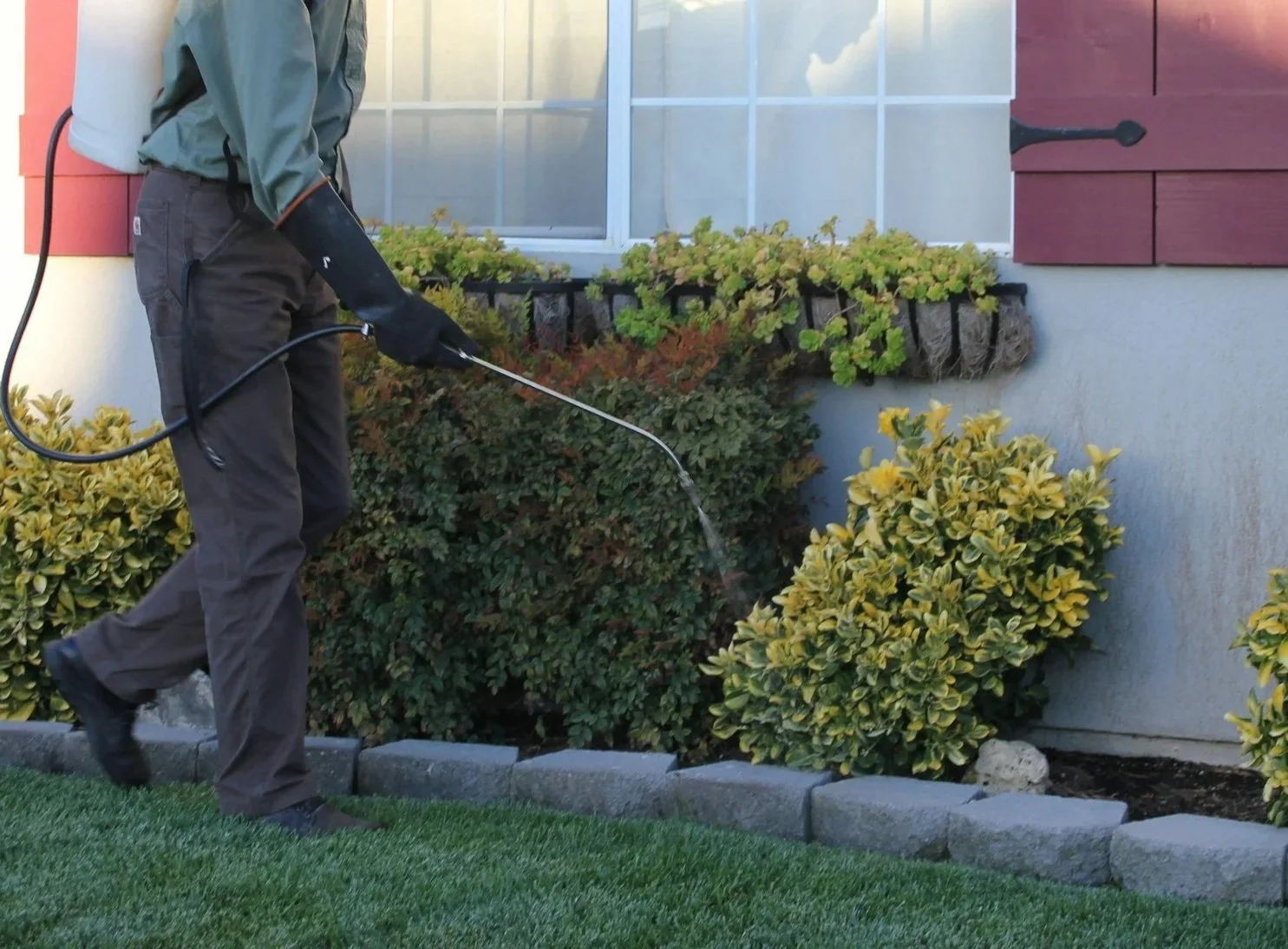
Chemical pest control is harmful for your lawn and our waterways. Try to go for natural pest control remedies, such as nematodes that hunt and destroy lawn grubs, oils from formulas using garlic, cedar oil, clove oil, and thyme oil to repel mosquitoes, ticks, and surface insects, or neem oil and soaps that target soft-bodied insects but are non-toxic to mammals and local waterways.
Mulch Garden Beds
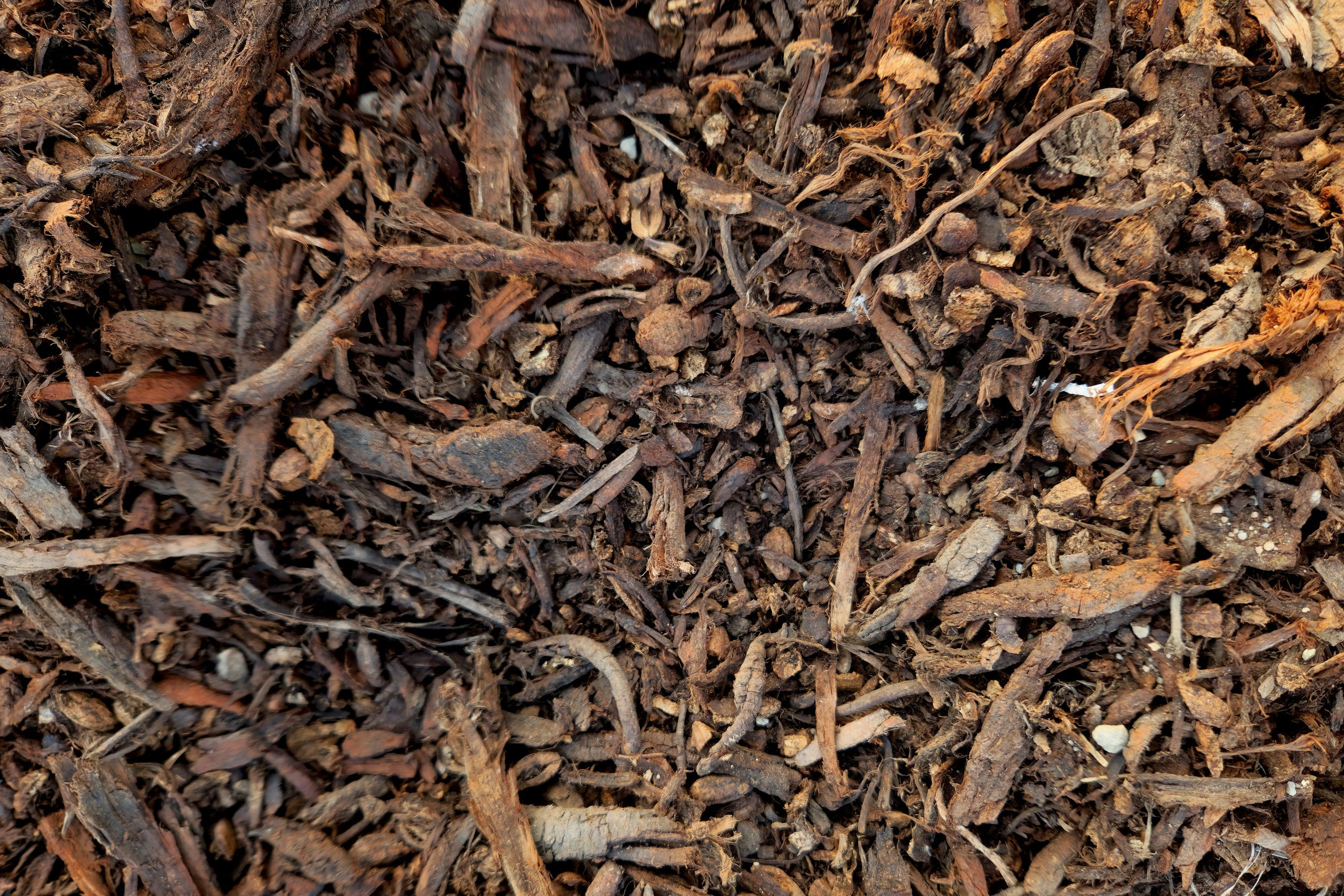
Summer is the best time to apply a new, clean layer of organic mulch around trees, shrubs, and garden beds to suppress weeds and reduce soil evaporation. There are many natural choices for mulch, however we recommend using wood mulch as a great natural option.
Manage Stormwater
Summer storms can be rough on our lawns. Water sitting in your lawn can wash away nutrients and cause fungus growth.
Therefore, stormwater maintenance is important to redirect water runoff using eco-friendly solutions such as rain gardens, dry creek beds, or permeable paths to protect soil structure and the natural environment.
Late Summer Maintenance
In the late summer, aerate your lawn to break up compacted soil allowing water and nutrients to reach the roots.
Overseed with heat-resistant grass varieties used to withstand drought.
Top your lawn with compost or organic soil conditioner after aeration to improve its structure and encourage seed germination.
Need help with your summer lawncare maintenance? Contact Evergreen Eco-Scapes and we would be glad to help!