Habitat Gardens & Wildlife Landscaping
Enjoy a beautiful, low-maintenance landscape that helps birds, butterflies, bees, and other wildlife thrive.
Serving Southeast Virginia, including Norfolk, Virginia Beach, Chesapeake, Pungo, Hampton Roads, and the Tidewater Region
Habitat Gardens & Wildlife Landscaping
Create a Landscape That Gives Back to Nature
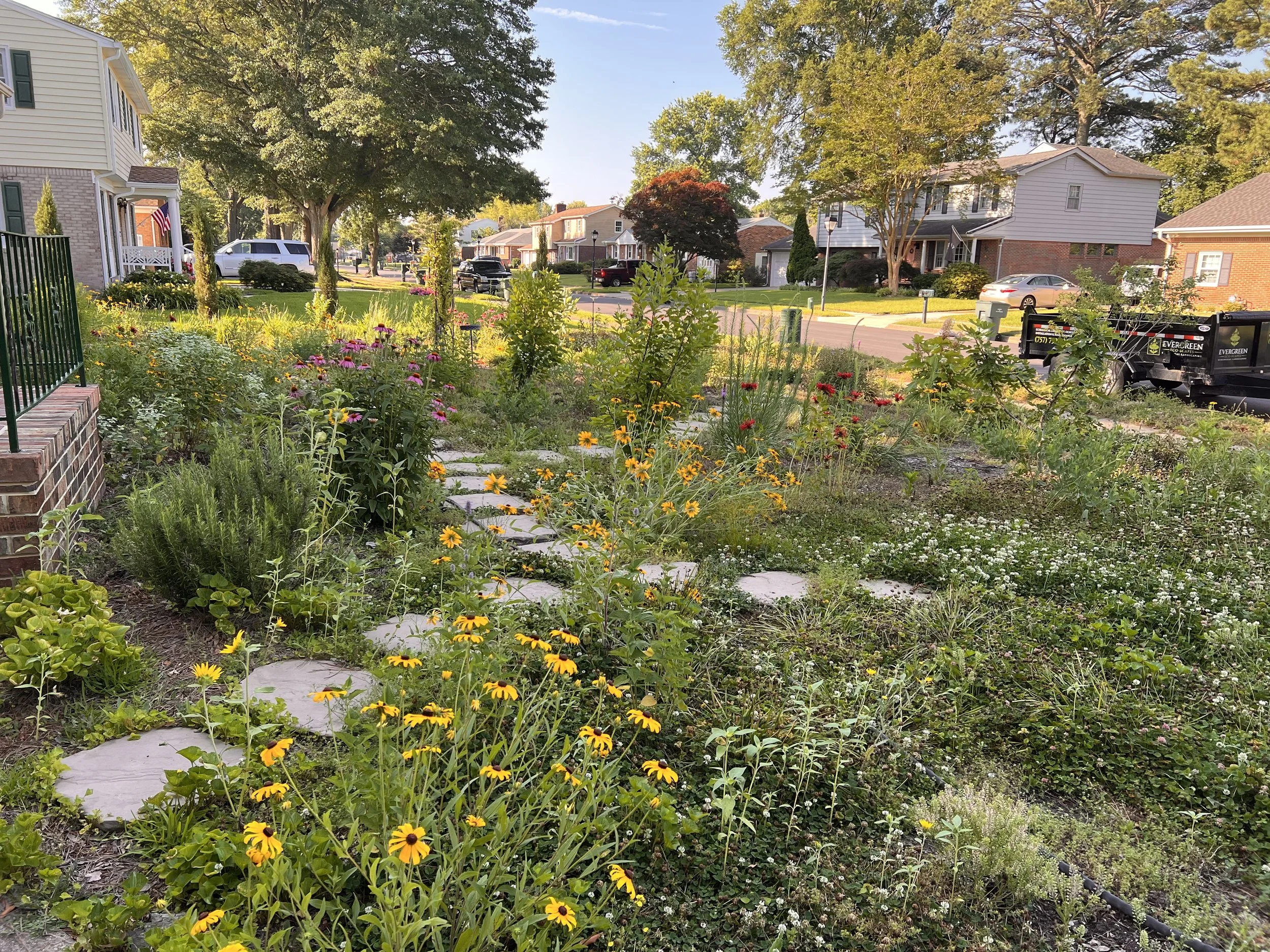
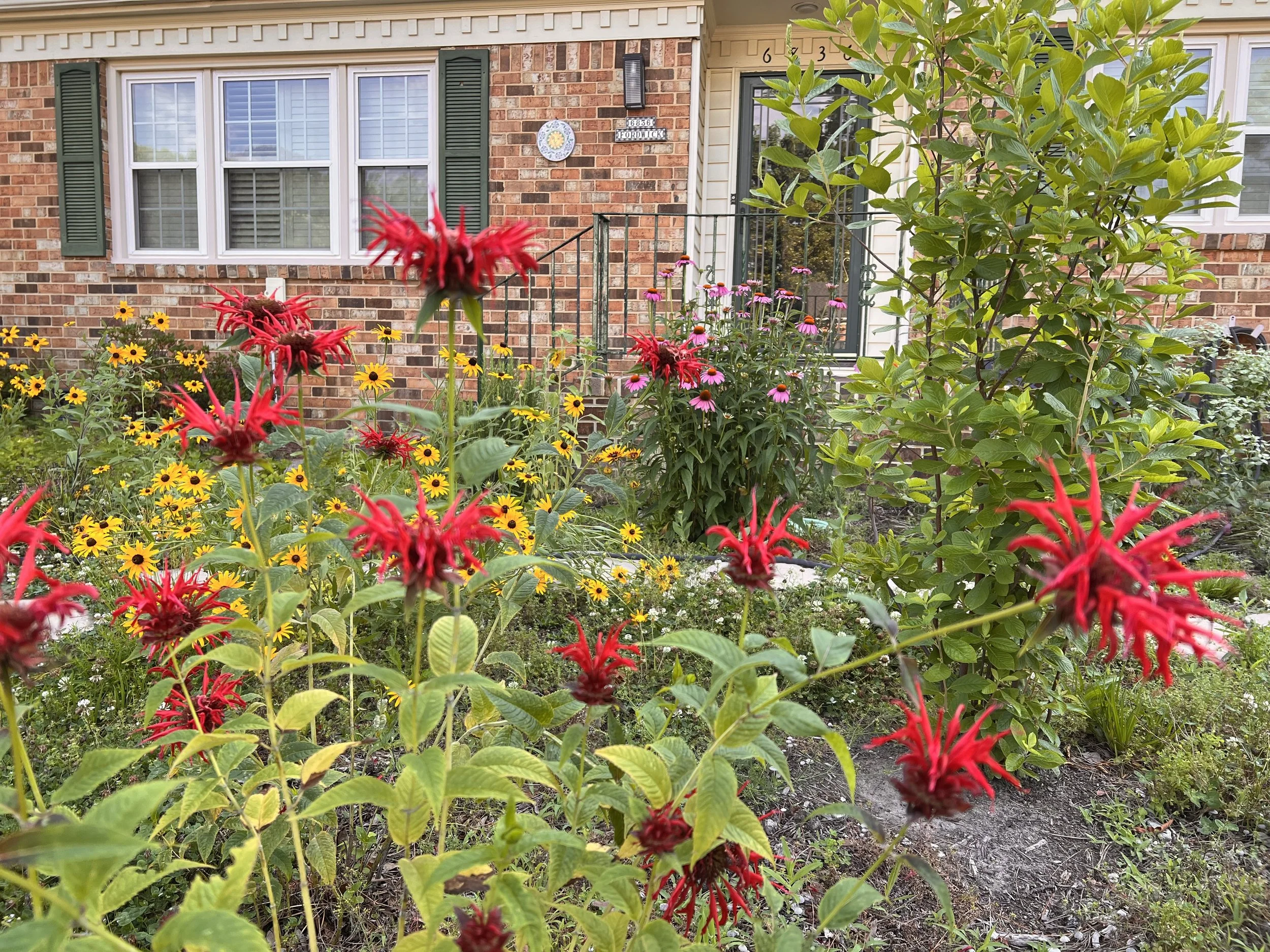
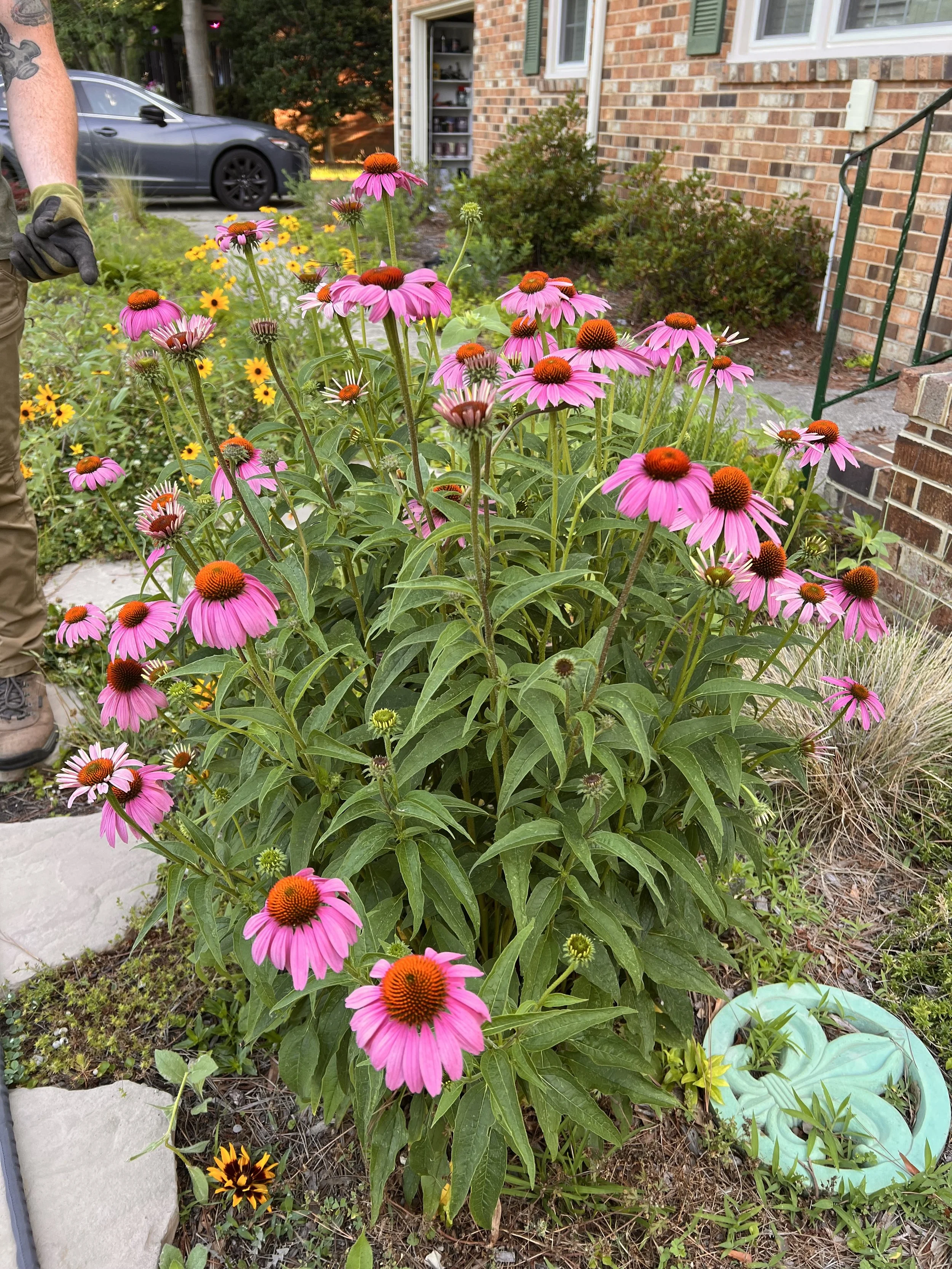
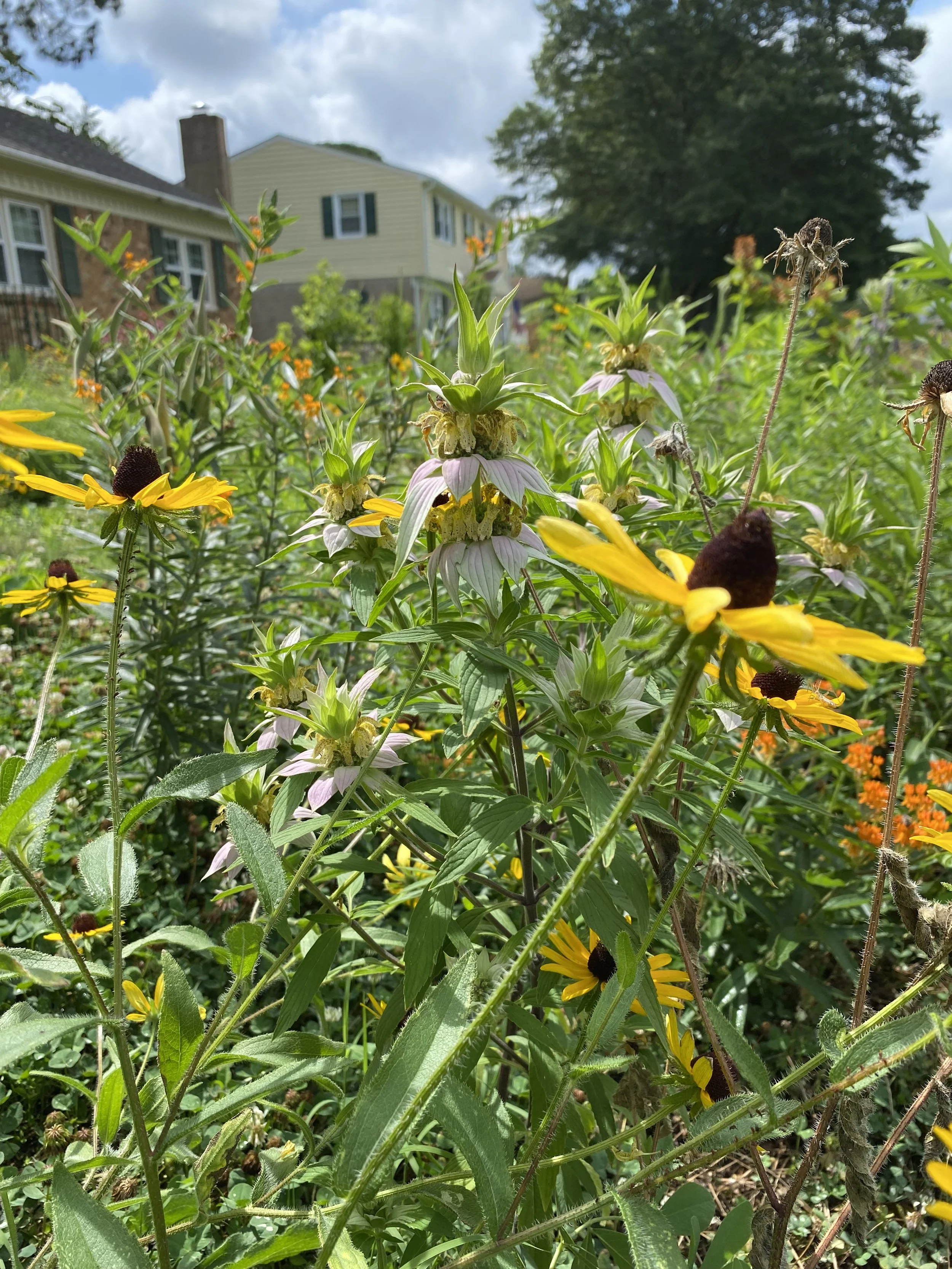
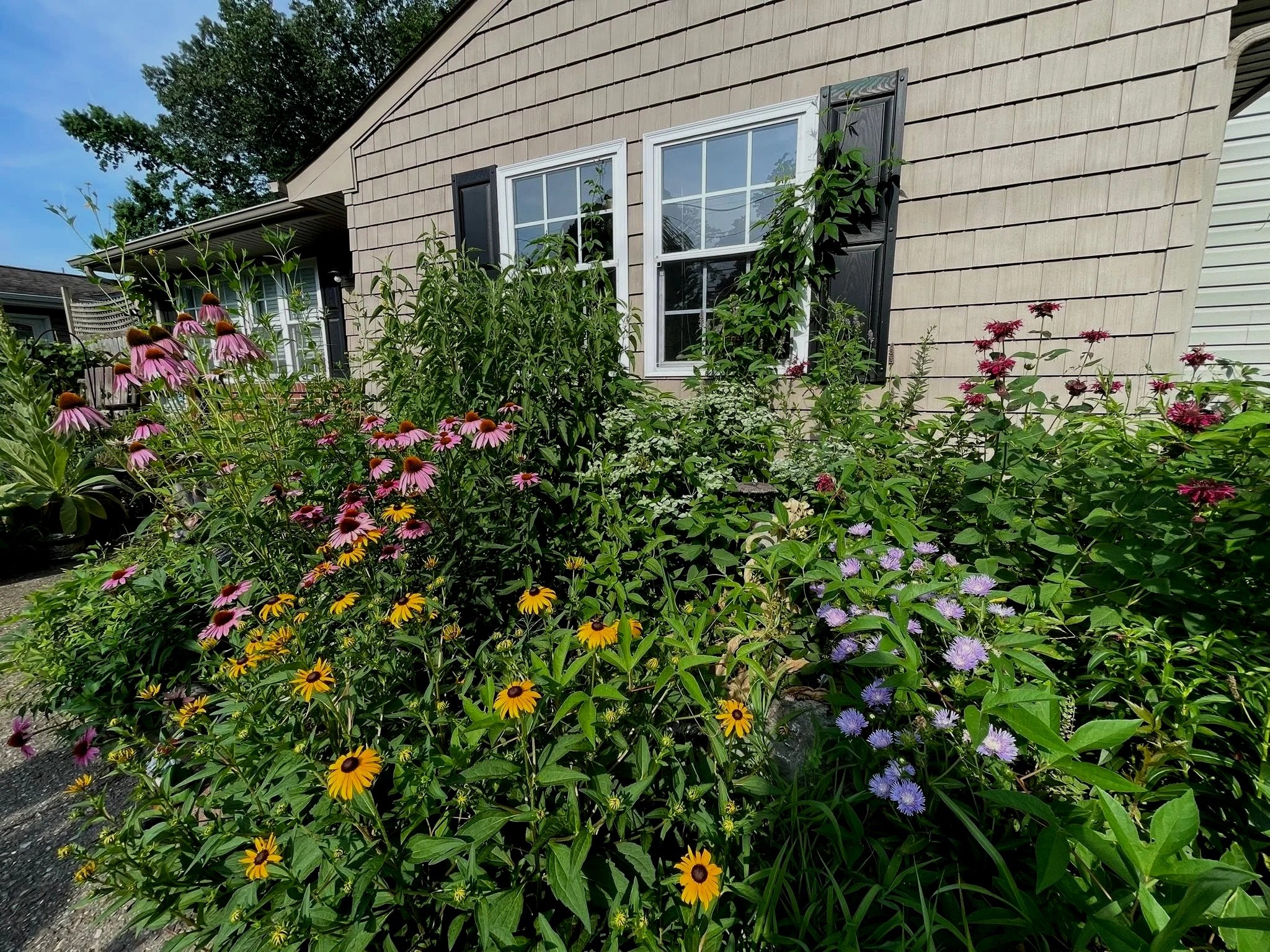
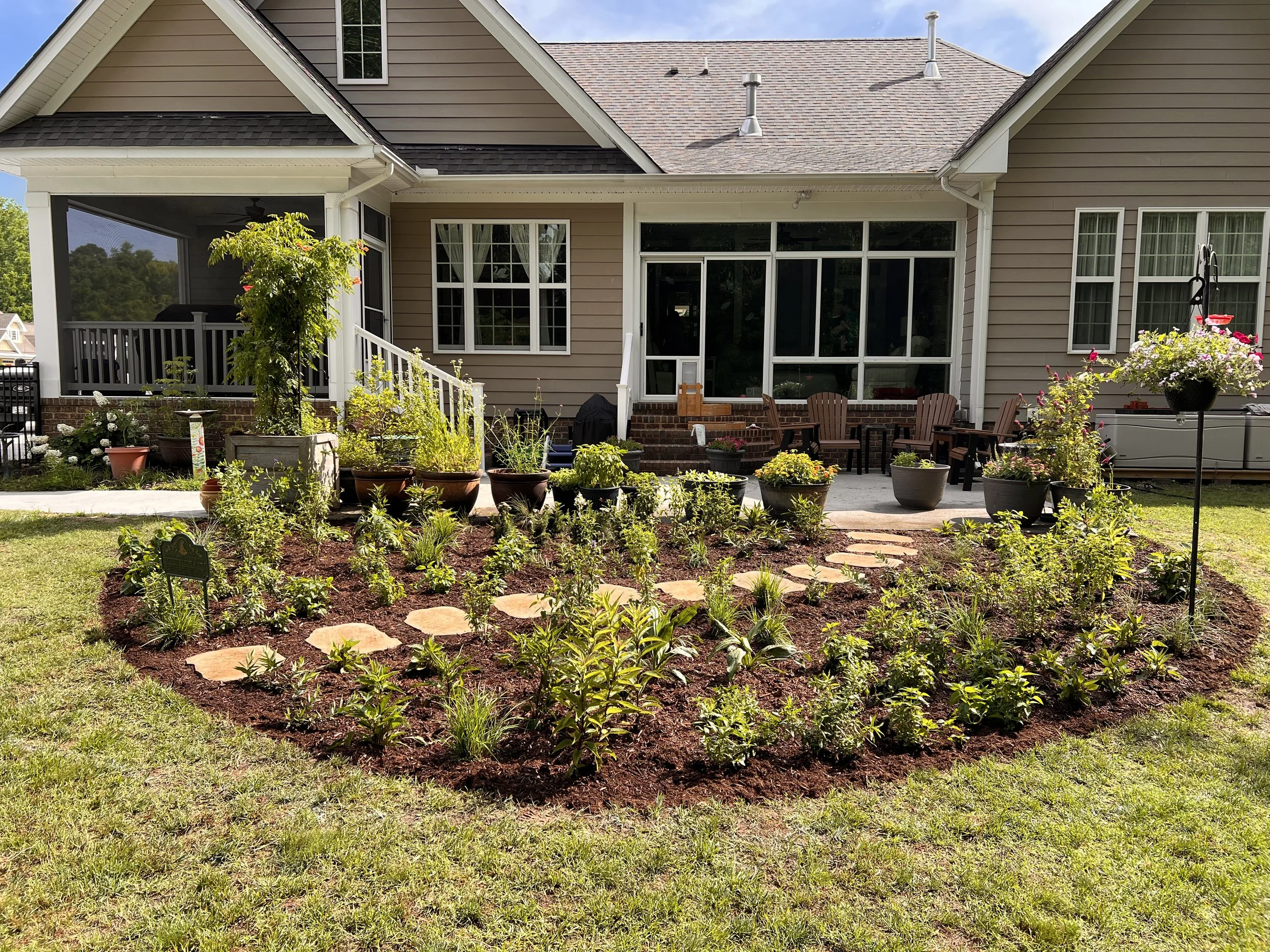
A habitat garden is more than a collection of beautiful plants, it's a living ecosystem designed to provide food, water, shelter, and breeding habitat for birds, butterflies, native bees, fireflies, and other beneficial wildlife. By incorporating native plants and ecological design principles, habitat gardens help restore biodiversity while creating vibrant outdoor spaces that can be enjoyed year-round.
Whether you're transforming a small garden bed or redesigning your entire property, we create landscapes that support wildlife while enhancing the beauty and health of your home.
Wildlife You May See
By incorporating Southeast Virginia native trees, shrubs, grasses, and flowering perennials, you may enjoy visits from colorful songbirds, hummingbirds, butterflies, native bees, and other beneficial wildlife throughout the year. In Southeast Virginia, homeowners often see Northern Cardinals, Carolina Chickadees, Carolina Wrens, Tufted Titmice, American Goldfinches, Ruby-throated Hummingbirds, and many other native species benefiting from healthy, diverse landscapes.
Habitat Garden Designs
Our habitat garden designs may incorporate:
Nectar, pollen, berries, nuts, and seeds
Native plants that support insects
Bird baths, rain gardens, or shallow water features
Dense shrubs and grasses for shelter
Natural areas for nesting and overwintering
Together, these features create resilient landscapes that support wildlife in every season.
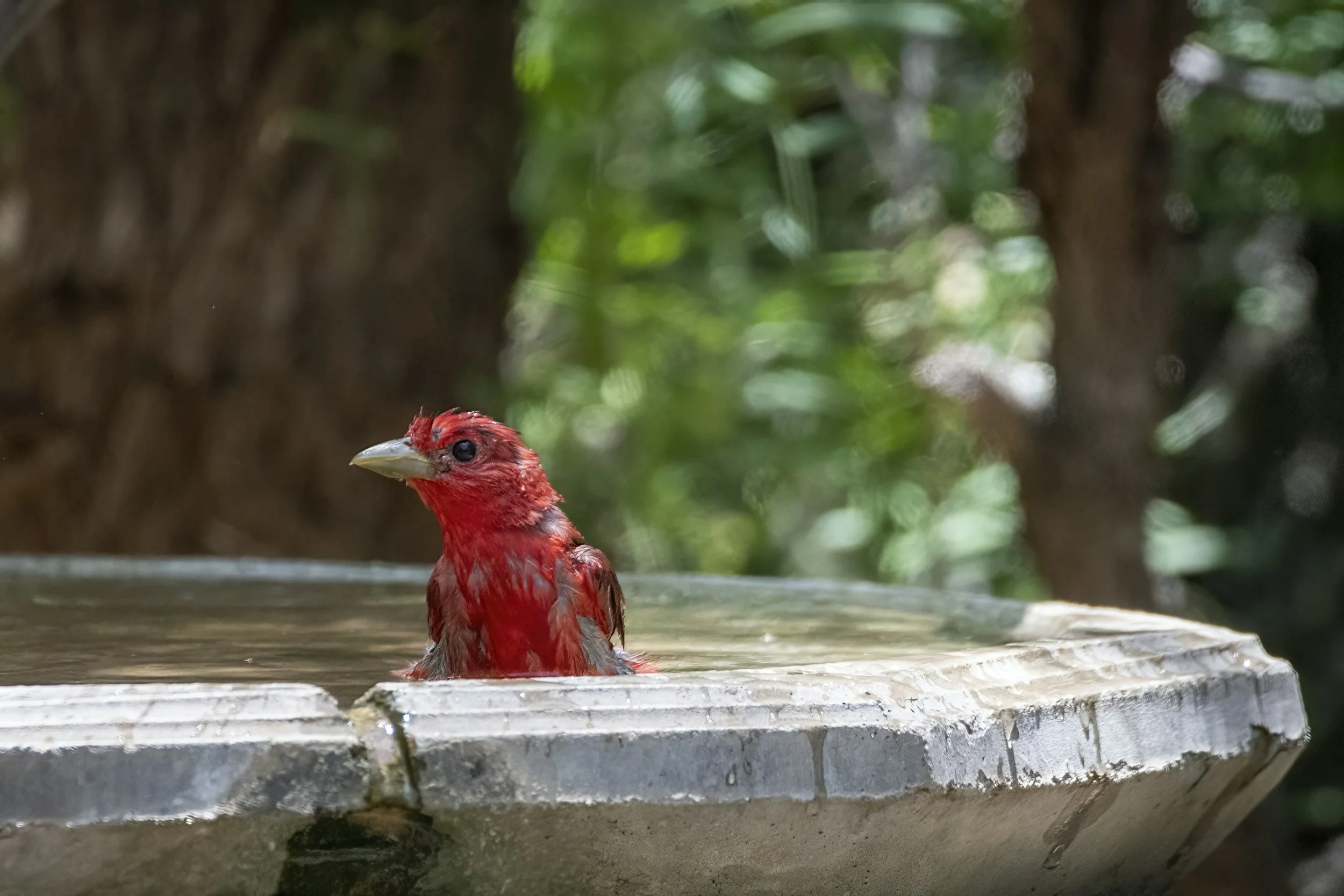
Bird Habitat
Native plants provide birds with far more than just seeds. They offer nesting sites, protective cover, and the insects that many birds rely on to feed their young. By incorporating native trees, shrubs, grasses, and flowering plants, we create landscapes that support birds throughout every stage of their life cycle.
Benefits include:
Natural nesting habitat
Food from berries, seeds, and insects
Shelter from predators and harsh weather
Year-round habitat for resident and migrating birds
Pollinator Support
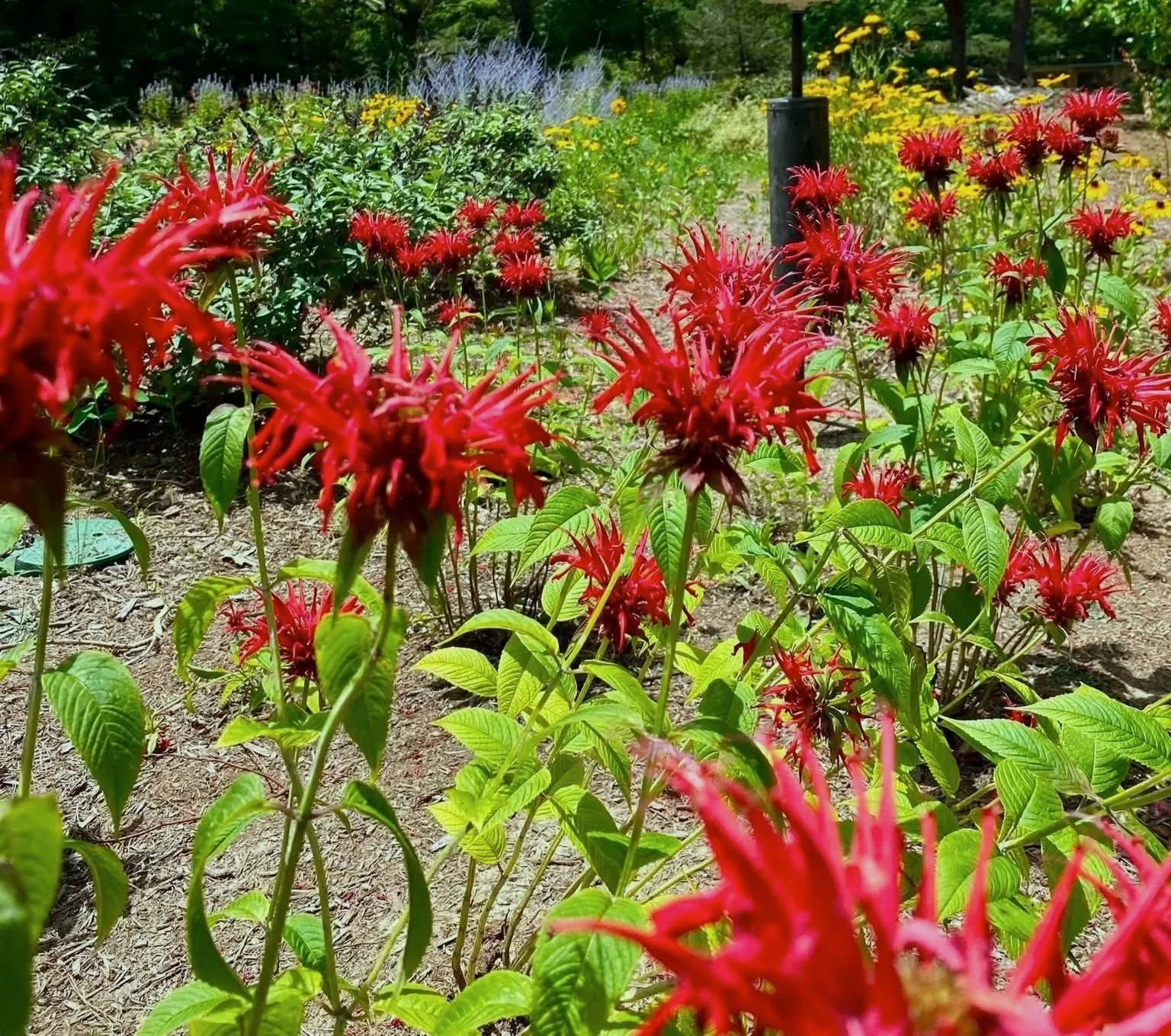
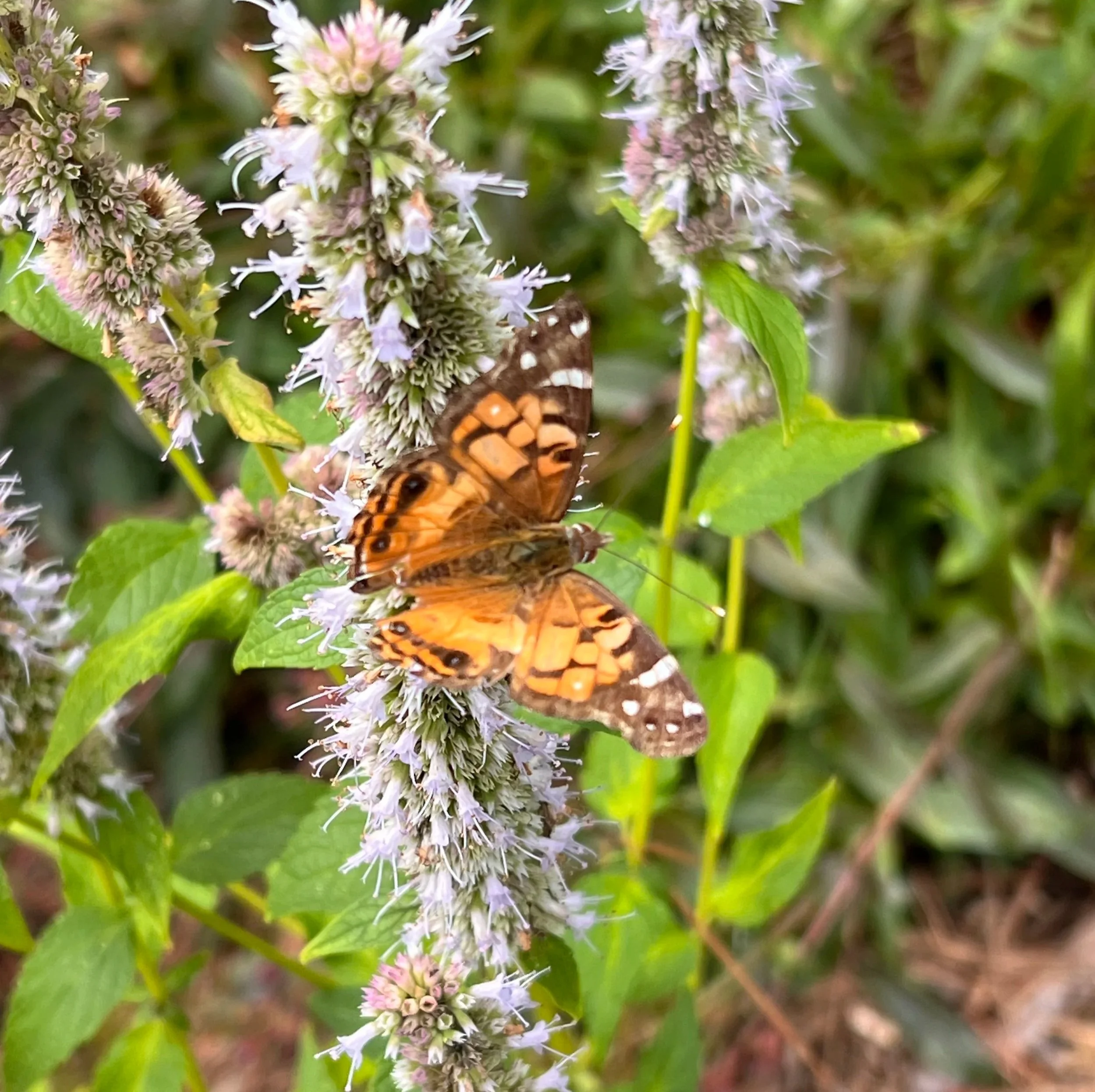
Pollinators play a vital role in healthy ecosystems and food production. We design gardens that provide continuous blooms from spring through fall, ensuring native bees, butterflies, hummingbirds, and other pollinators have reliable sources of nectar and pollen throughout the growing season.
A diverse selection of native flowers helps support dozens of pollinator species while adding beautiful seasonal color to your landscape.
Butterfly & Moth Habitat
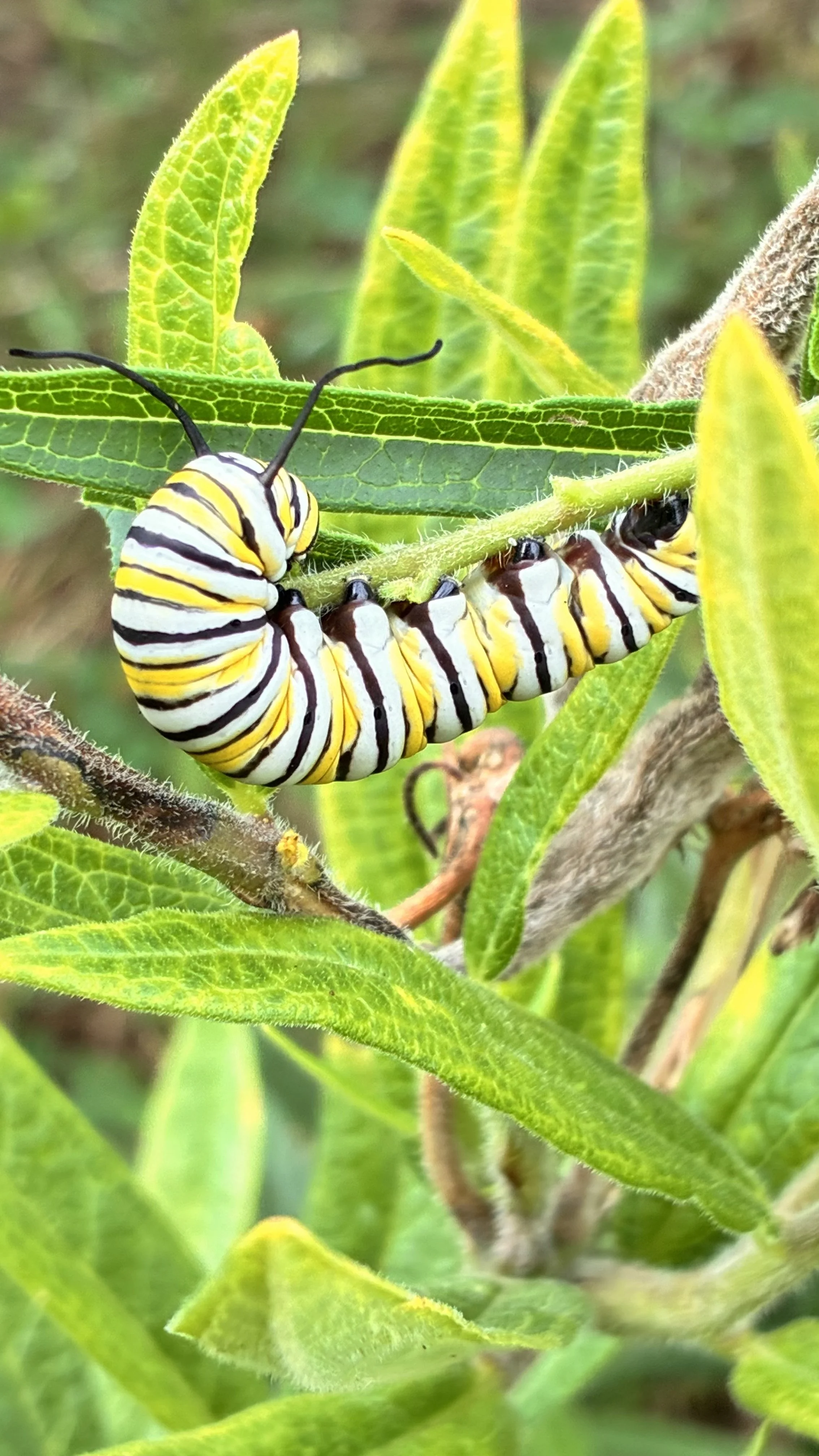
Butterflies and moths require specific native plants to complete their life cycle. While flowering plants provide nectar for adults, their caterpillars often depend on particular host plants for survival. Without these host plants, many butterfly and moth species cannot reproduce.
Our gardens include both nectar-rich flowers and essential host plants to support every stage of their life cycle.
Firefly-Friendly Landscapes
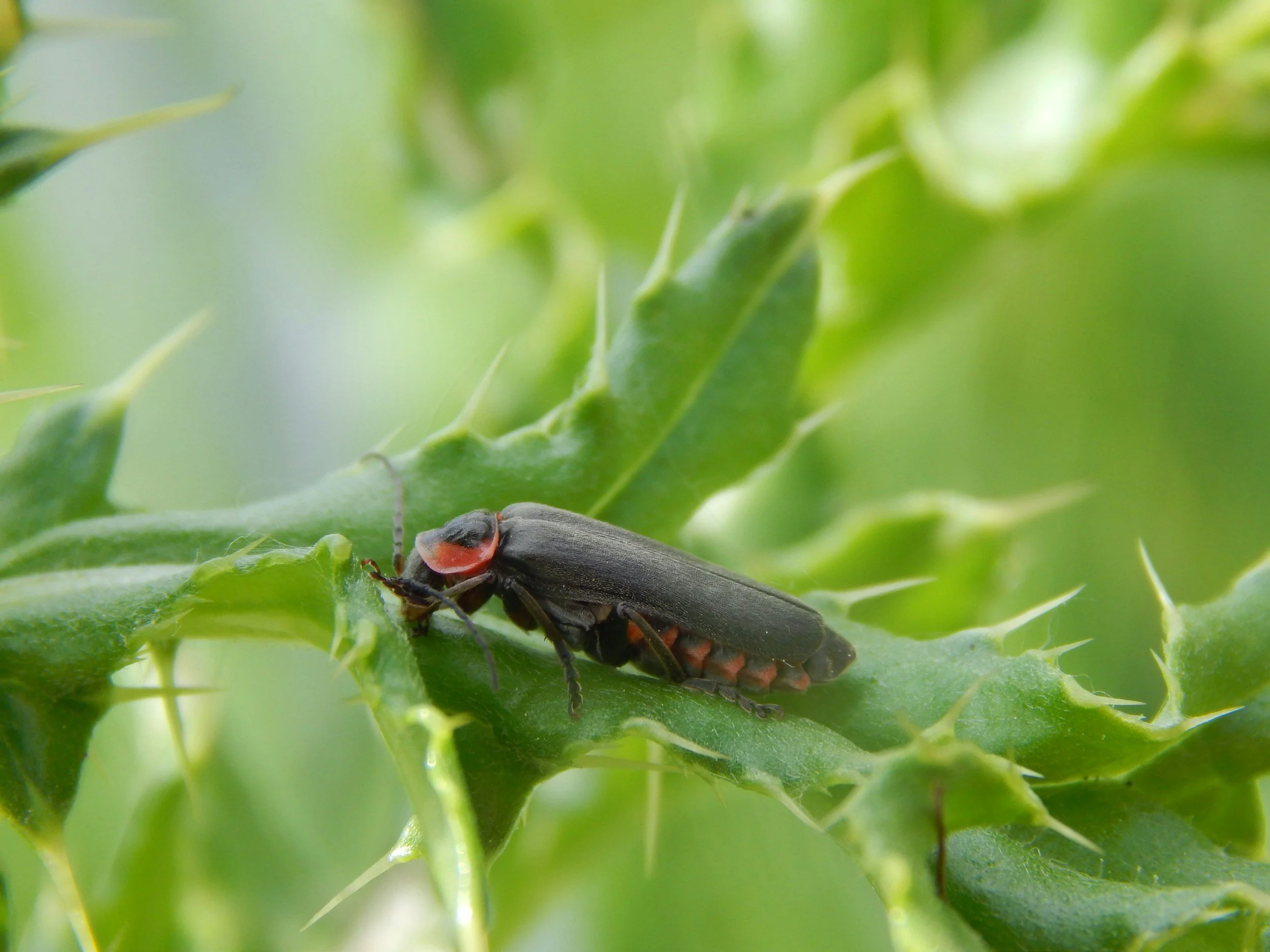
Fireflies thrive in landscapes that retain natural areas and avoid excessive chemical use. They depend on moist soils, leaf litter, native grasses, and undisturbed spaces during much of their life cycle.
We create landscapes that encourage fireflies by incorporating:
Native grasses and perennial plantings
Leaf litter and natural mulch
Reduced outdoor lighting where appropriate
Healthy soils and pesticide-free management
Why are Habitat & Wildlife Gardens Important?
Habitat and wildlife gardens play a vital role in restoring the natural balance between our landscapes and the environment. As development and traditional landscaping have reduced native habitats, many birds, butterflies, native bees, fireflies, and other beneficial wildlife have lost the food and shelter they need to survive.
Beyond supporting wildlife, habitat gardens create healthier, more resilient landscapes. They improve soil health, reduce stormwater runoff, require fewer chemical inputs, and often need less irrigation once established. The result is a beautiful outdoor space that benefits both people and nature.
Benefits of Habitat & Wildlife Gardens
Restore habitat for birds, butterflies, native bees, and other beneficial wildlife
Support biodiversity and strengthen local ecosystems
Provide food, water, shelter, and nesting sites throughout the seasons
Reduce the need for pesticides, fertilizers, and excessive watering
Improve soil health and manage stormwater naturally
Create beautiful, dynamic landscapes with year-round interest
Help connect fragmented habitats across neighborhoods and communities
Reducing Lawn & Pesticide Dependence
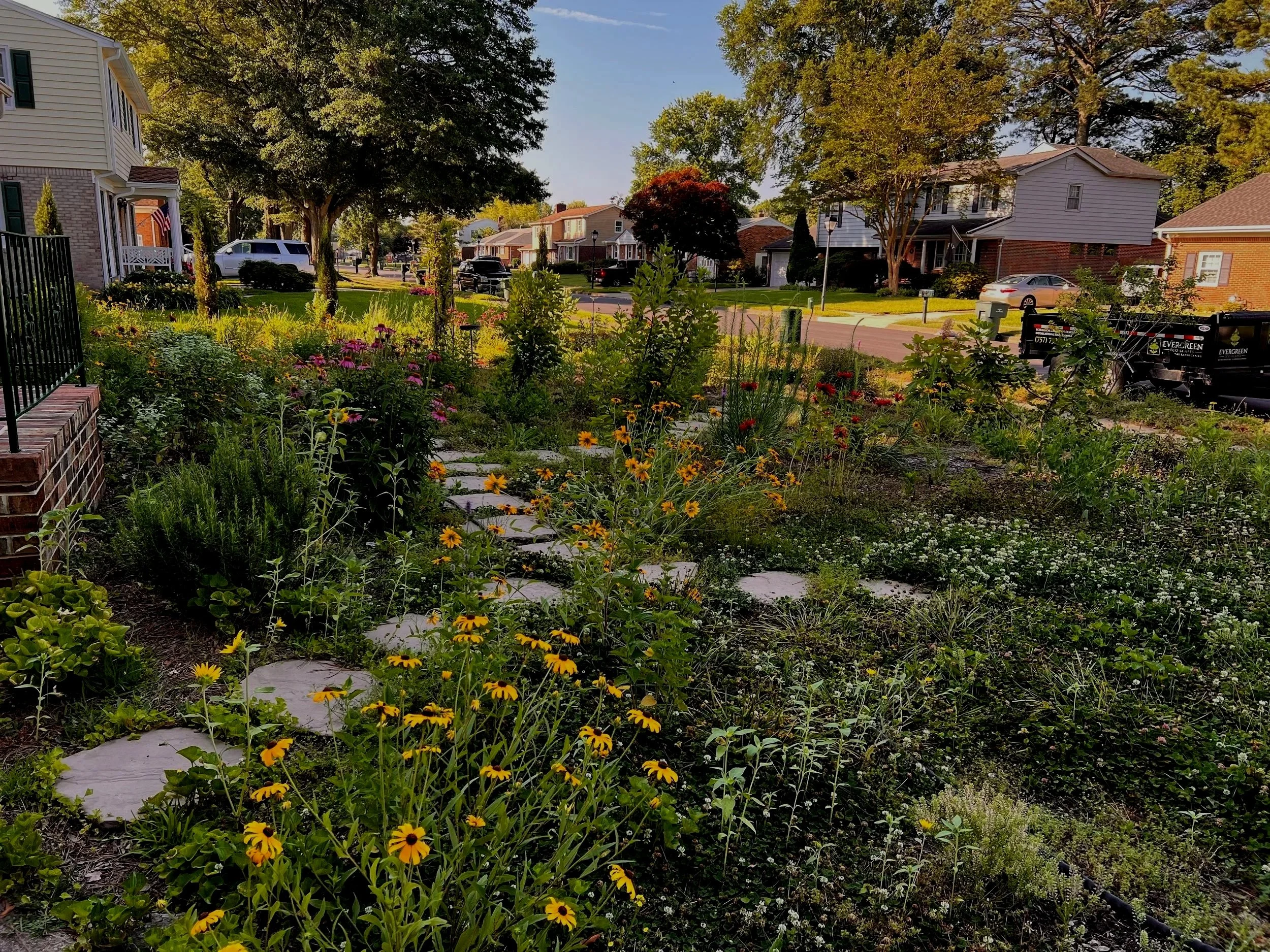
Traditional lawns provide little habitat for wildlife and often require significant amounts of water, fertilizer, and pesticides. By replacing portions of lawn with native plantings, homeowners can reduce maintenance while creating healthier, more sustainable landscapes.
Our Habitat Gardens:
Reduce unnecessary lawn areas
Limit pesticide and herbicide use
Improve soil health naturally
Use resilient native plants adapted to local conditions
Create landscapes that require fewer resources over time
Why Choose Wildlife Landscaping?
A thoughtfully designed habitat garden is an investment in both your property and the environment. These landscapes not only enhance curb appeal but also help restore declining pollinator populations, improve biodiversity, and reconnect your yard with the natural world.
Whether you're looking to attract songbirds, butterflies, native bees, or simply create a more sustainable landscape, we'll design a habitat garden that is beautiful, functional, and uniquely suited to your property.
Some of Our Habitat Gardens