
What to Do With Fall Leaves in Chesapeake, VA: An Eco-Friendly Guide
When the leaves begin to fall across Chesapeake, many of us automatically reach for the rake or leaf blower. A perfectly cleared lawn may look tidy, but those fallen leaves are doing much more than creating extra yard work.
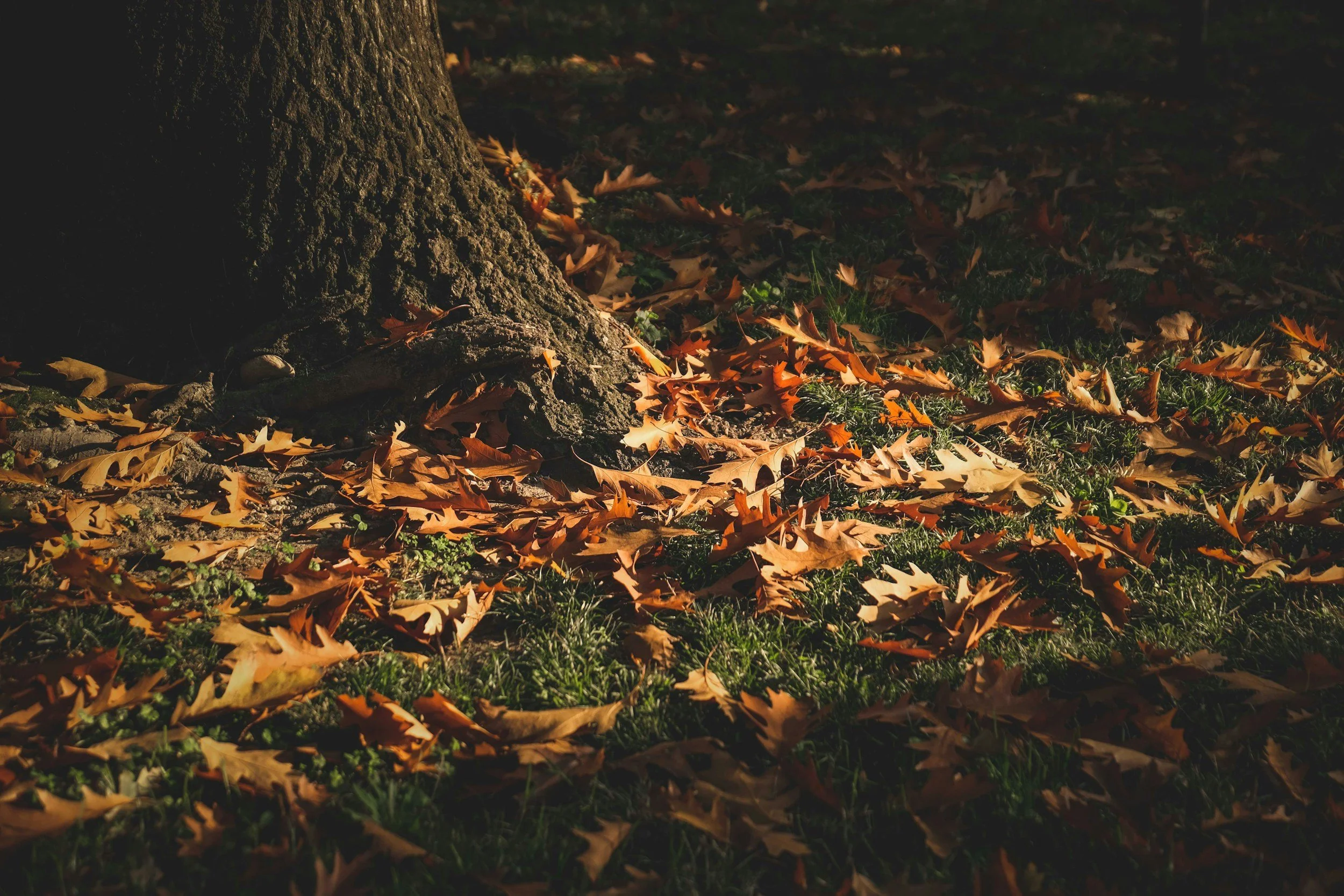
Leaves are part of a healthy landscape. They provide winter habitat for insects and other wildlife, protect the soil, return nutrients to the ground, and can even reduce the need for purchased mulch.
This fall, consider doing a little less cleanup and let nature do a little more of the work.
Fallen Leaves Are Habitat
A layer of fallen leaves creates a miniature ecosystem right in your yard.
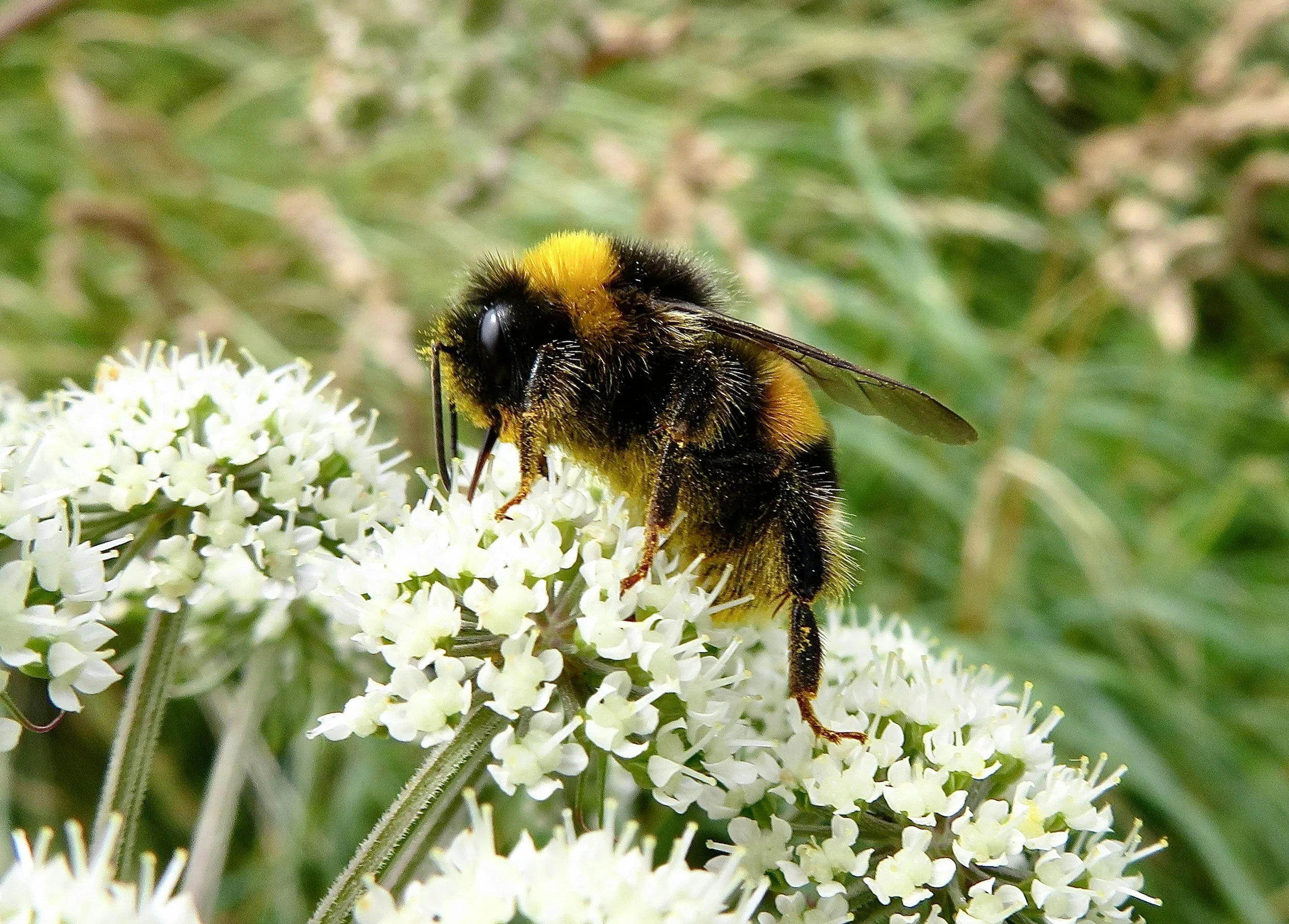
Many insects and other small animals depend on leaf litter for shelter. Bumblebee queens can overwinter beneath leaves, while moths such as luna and polyphemus moths spend portions of their life cycle within leaf litter. Beetles, millipedes, centipedes, and other beneficial organisms also make their homes among fallen leaves.
And they aren't alone. Toads, salamanders, turtles, and other wildlife can use leaf litter for food, shelter, and protection.
When every leaf is removed, an important piece of that habitat disappears with it.
Think of Leaves as Nature's Mulch
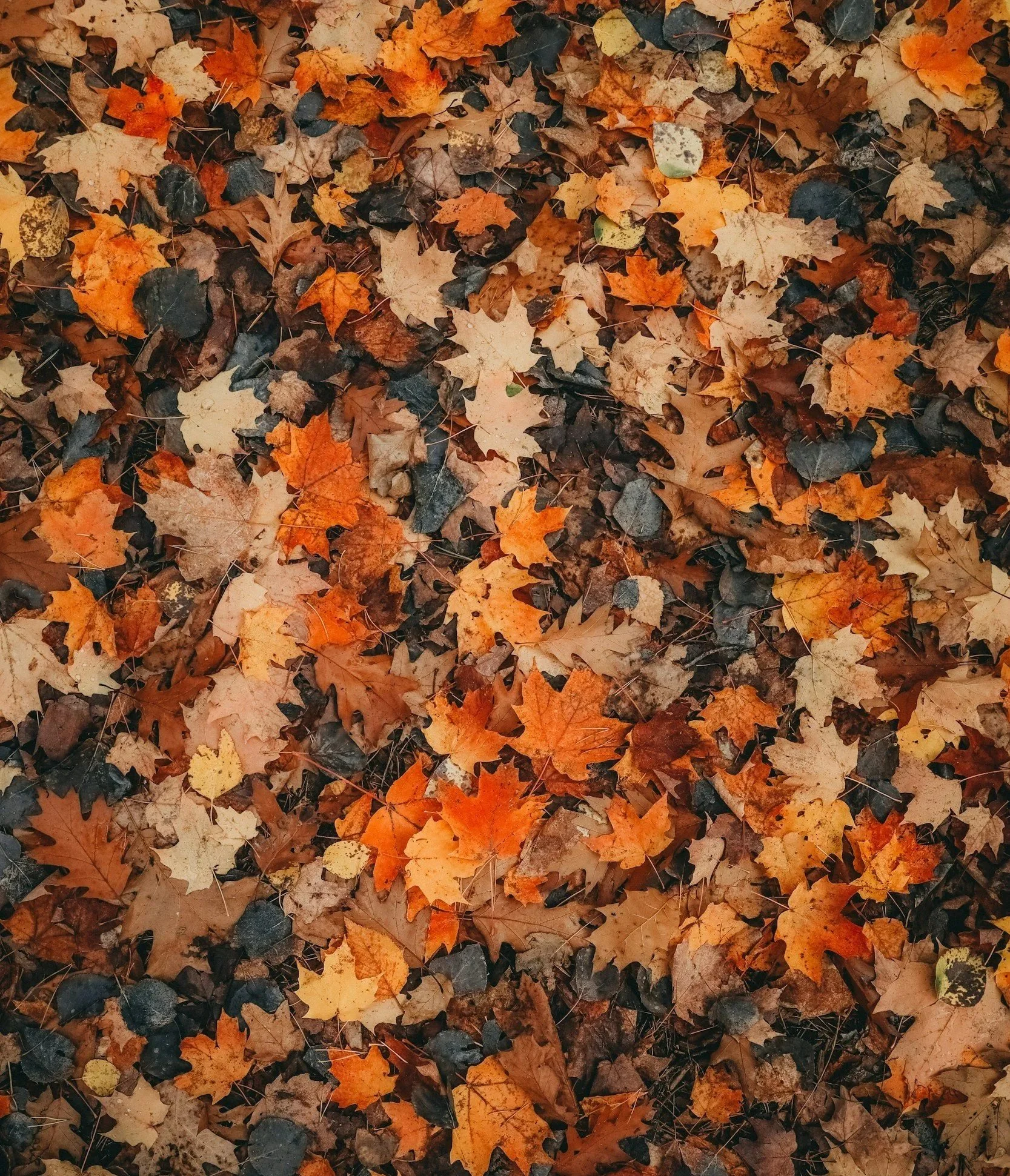
Walk through a healthy forest in fall and you won't find anyone raking beneath the trees. Leaves fall, accumulate, decompose, and eventually return organic matter to the soil.
We can mimic the same natural process in our landscapes.
Instead of purchasing mulch for every garden bed, rake some of your leaves beneath trees, shrubs, and native plantings. As the leaves gradually break down, they can:
Add organic matter and nutrients to the soil
Help the soil retain moisture
Protect the soil surface
Suppress weeds
Provide habitat for insects and other wildlife
Protect plant roots from temperature fluctuations
It creates a landscape that functions a little more like the natural ecosystems surrounding us.
But Do You Have to Leave Every Leaf?
No, and this is where ecological landscaping and practical yard care can work together.
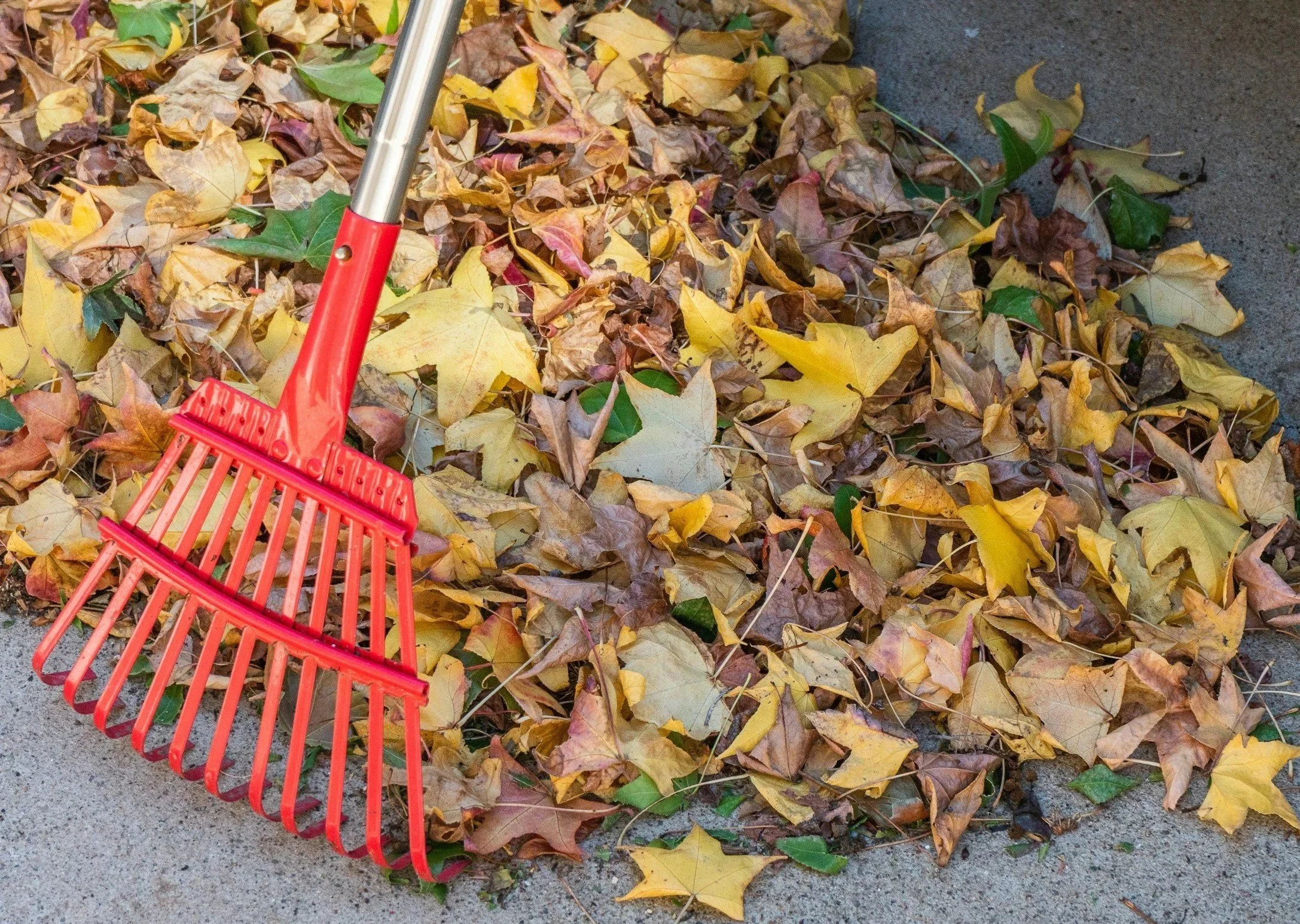
A very thick layer of leaves left across turfgrass can block sunlight and hold moisture against the grass. Instead of allowing heavy piles to accumulate on your lawn, move some of those leaves into garden beds, beneath shrubs, around trees, or into designated naturalized areas.
Whenever possible, leave at least some leaves whole. Whole leaves provide better habitat for overwintering insects than finely shredded leaves.
For leaves that need to remain on the lawn, running over them with a mulching mower is another option. The small pieces can break down within the turf and return nutrients to the soil.
The goal isn't an untouched yard. It's a thoughtfully managed one.
Create a "Leave the Leaves" Zone
If you're not ready to leave leaves throughout your landscape, start small.
Choose one or two areas of your property where leaves can remain relatively undisturbed through winter. Good locations include beneath native trees and shrubs, within perennial beds, along woodland edges, or in less-visible portions of the yard.
These areas can become valuable pockets of winter habitat without making the entire property look messy.
For a more intentional appearance, define the edges of the planting bed or naturalized area. A clearly edged bed filled with fallen leaves looks purposeful while still providing many of the ecological benefits of leaf litter.
Don't Forget About Spring Cleanup
Protecting overwintering insects doesn't end when winter does.
Some insects remain within leaves and plant material well into spring. Instead of removing everything at the first warm day, give the landscape time to wake up.
You can also leave old perennial stems and grasses standing through winter. In addition to providing structure and winter interest, standing plant material can provide habitat and food for insects and birds.
A slightly slower spring cleanup gives wildlife more time to emerge before plant material is removed or disturbed.
Keep Leaves Out of Chesapeake's Storm Drains and Ditches
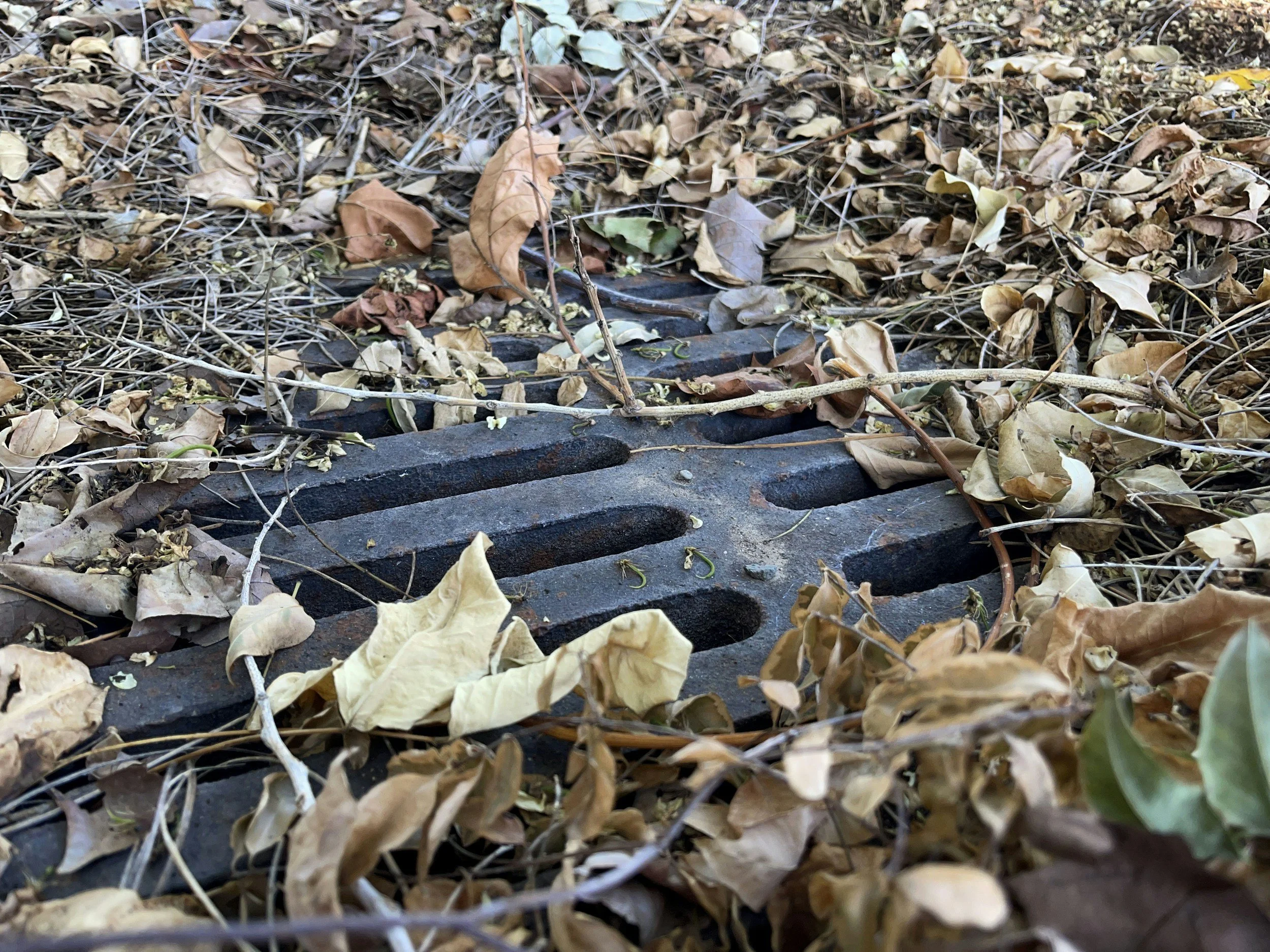
There is one place fallen leaves definitely don't belong: the street.
The City of Chesapeake advises residents not to blow, sweep, or dump leaves into storm drains or ditches. Leaves can clog drainage systems, and large amounts of decomposing leaves entering waterways add nutrients that contribute to algae growth and poor water quality.
That's especially important here in Chesapeake, where what happens in our yards can eventually affect local waterways and the Chesapeake Bay.
Keep leaves on your property whenever possible by using them as mulch, leaving them in habitat areas, mulching them into the lawn, or composting excess leaves.
What About Composting?
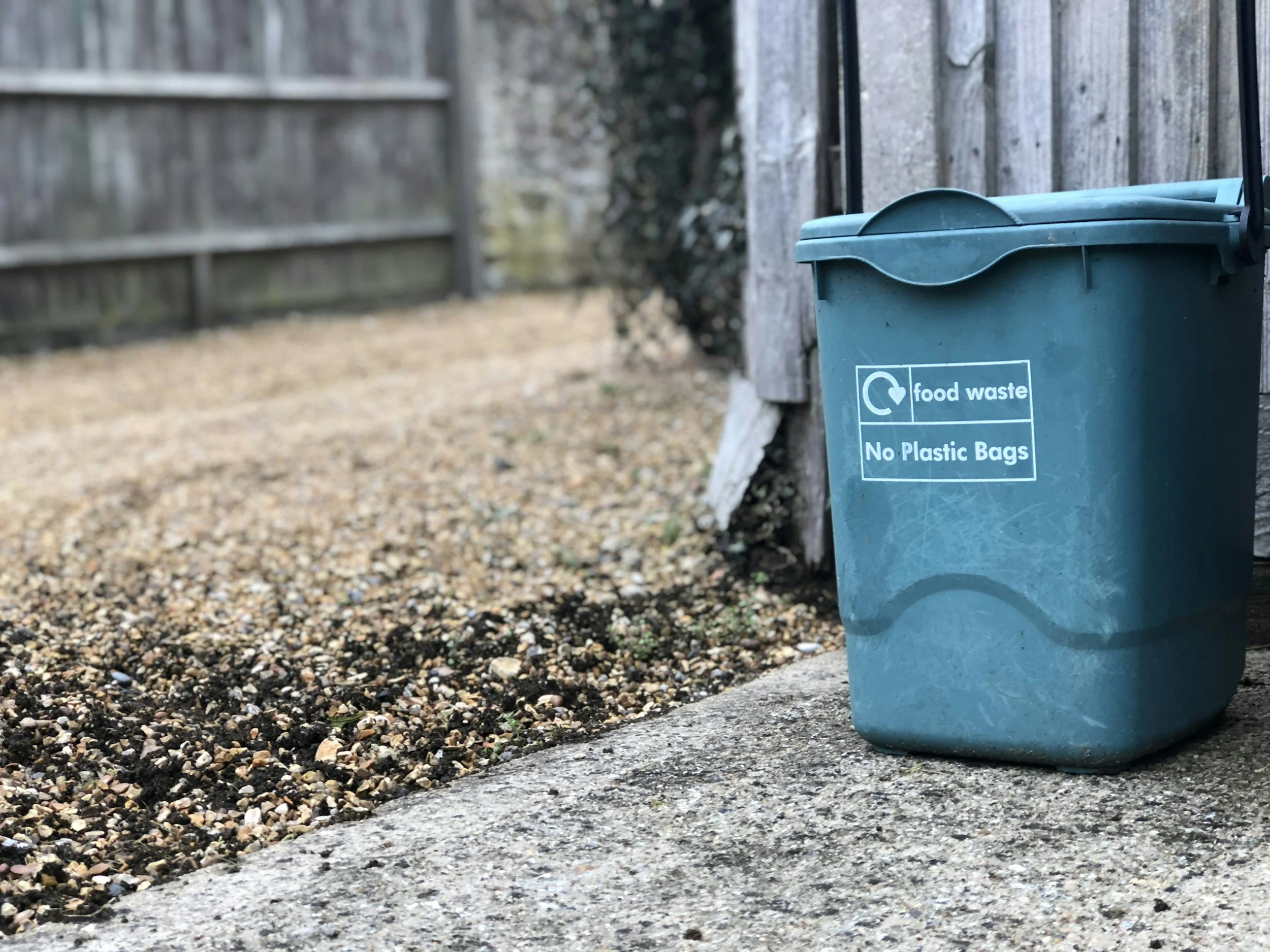
If you simply have more leaves than your landscape can handle, composting is another excellent option.
Dry fall leaves provide a carbon-rich ingredient for a home compost pile. Over time, those leaves can become valuable compost that can be returned to garden beds and planting areas.
It's another way to turn what is often treated as yard waste into a resource.
A Healthier Fall Cleanup Starts With Doing Less
Ecological landscaping isn't about letting a property become overgrown or unmaintained. It's about understanding the natural processes already happening in our landscapes and finding ways to work with them.
This fall, instead of asking, "How quickly can I get rid of these leaves?" consider asking, "Where can these leaves do the most good?"
Leave some beneath your trees. Tuck them into native garden beds. Create a small habitat area. Mulch some into your lawn. Compost the excess.
Your soil and the countless small creatures that share your landscape will thank you.
Ready for a More Wildlife-Friendly Landscape?
A beautiful yard can also provide habitat, manage stormwater, support native plants, and contribute to a healthier local ecosystem. Our ecological landscaping services help Chesapeake homeowners create landscapes that work with nature while still looking intentional and cared for.
Interested in making your property more environmentally friendly? Contact us to learn how native planting, habitat gardens, ecological maintenance, and sustainable landscape design can transform your yard.