

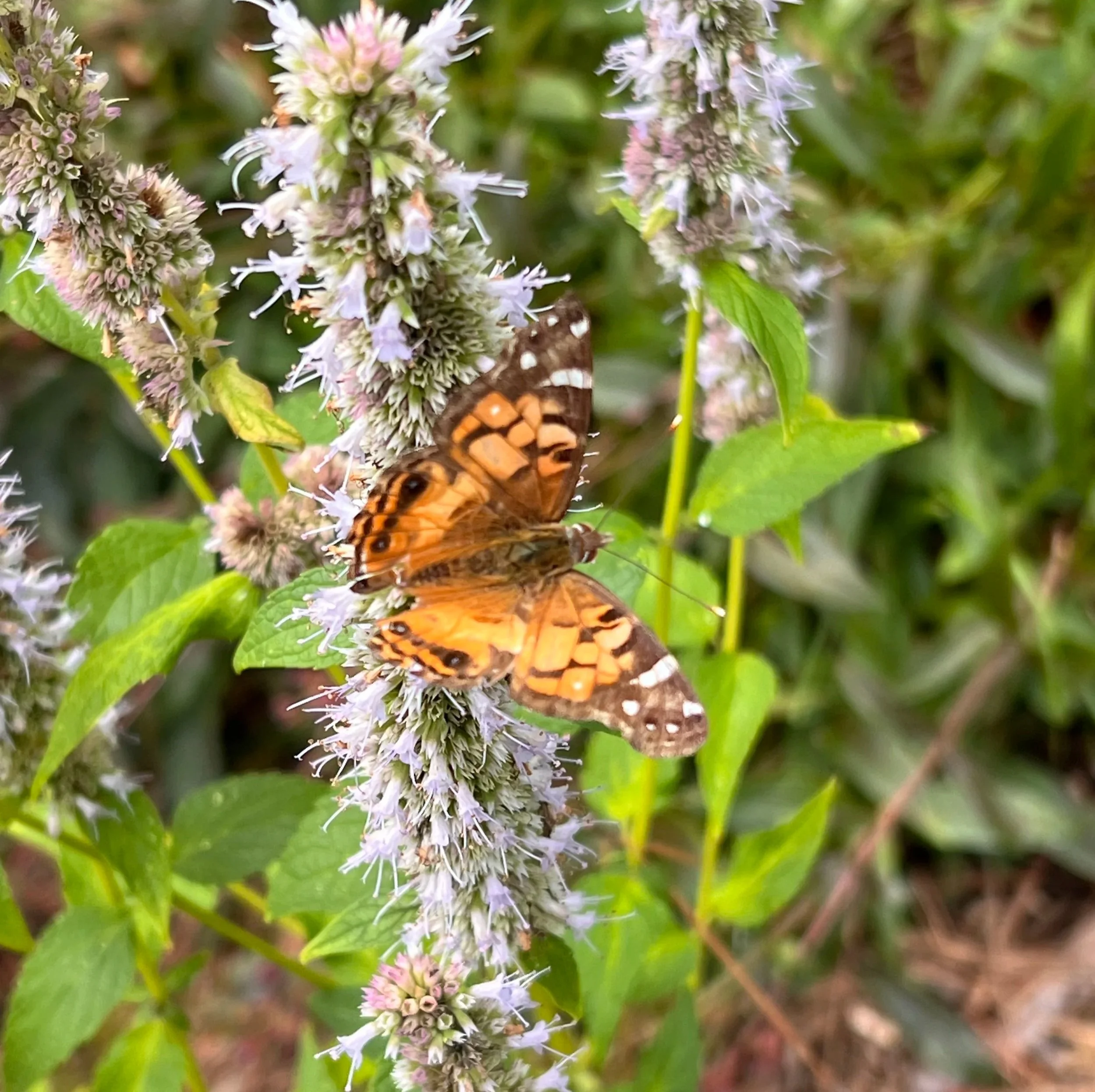
Why should I use ecological landscaping?
Ecological landscaping is important because the designs and maintenance of these outdoor spaces support the health of people, wildlife habitat, and the environment.
By using native plants, improving soil, managing stormwater naturally, and reducing the need for chemicals and excessive watering, ecological landscapes are more resilient, lower maintenance, and better equipped to thrive for years to come.
The result is a landscape that is not only beautiful but also contributes to a healthier ecosystem.
What Is Ecological Landscaping?
Ecological landscaping is defined as landscaping that works in harmony with nature.
We create landscapes as functioning ecosystems that also make your outdoor space beautiful. We begin by looking at what is already there, the patterns of sun and shade, how water moves across the land, existing vegetation, soil conditions, mature trees, structures, and the natural character of the property.
From there, we work with those elements to create a landscape that feels cohesive, functional, and connected. Our goal is to enhance what already exists, solve challenges thoughtfully, and help each property reach its highest potential.
No two landscapes are exactly alike, which means no two ecological landscapes should be either. Each space calls for its own approach, shaped by the land, the people who use it, and the life it has the potential to support.
“Ecosystems function locally, not globally.”
Ecological landscaping Services
-
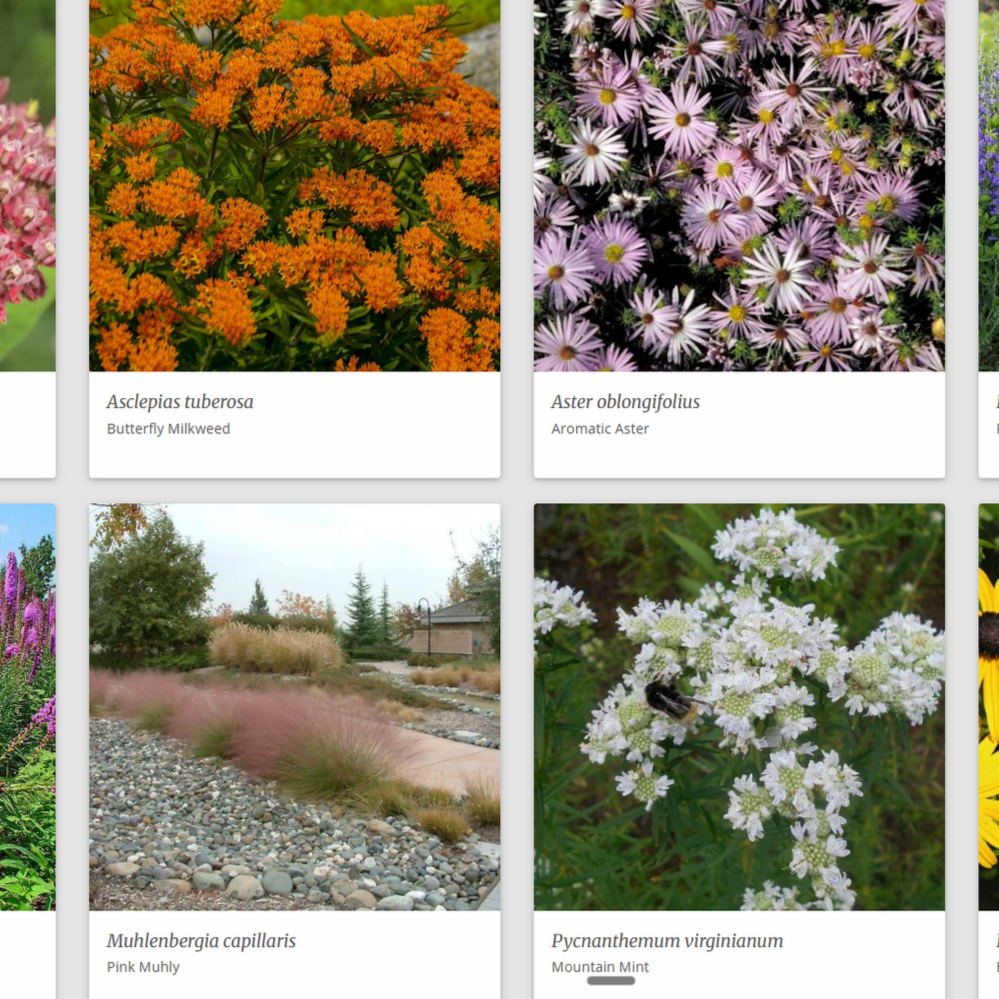
Native & Site-Appropriate Plants
Choosing plants suited to the site's sunlight, moisture, soil, and growing condition—with an emphasis on native species that support pollinators, birds, and other local wildlife.
-
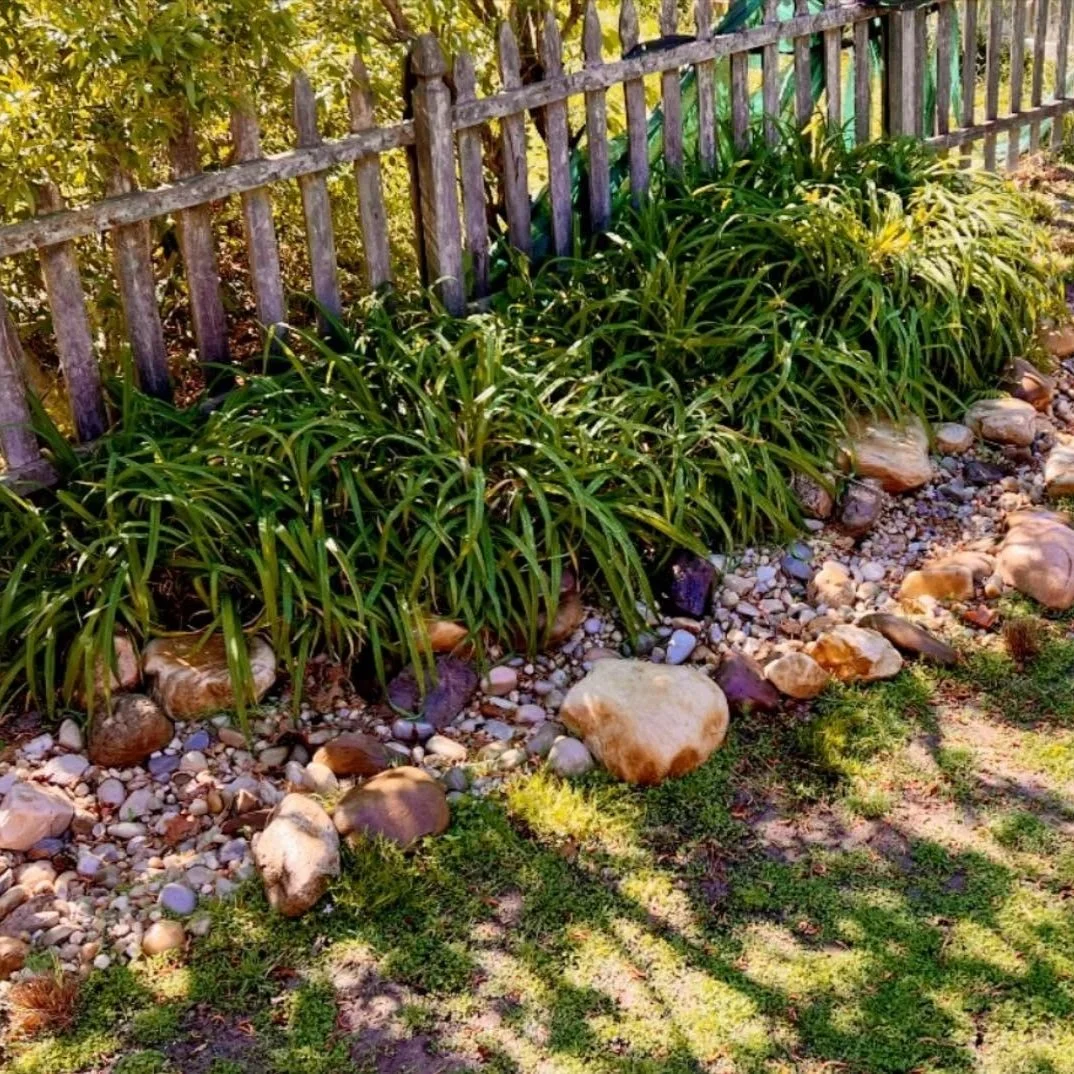
Working With Water
Rain gardens, swales, dry creek beds, grading, and thoughtful planting that help slow, absorb, redirect, and make use of rainfall rather than simply sending it away.
-
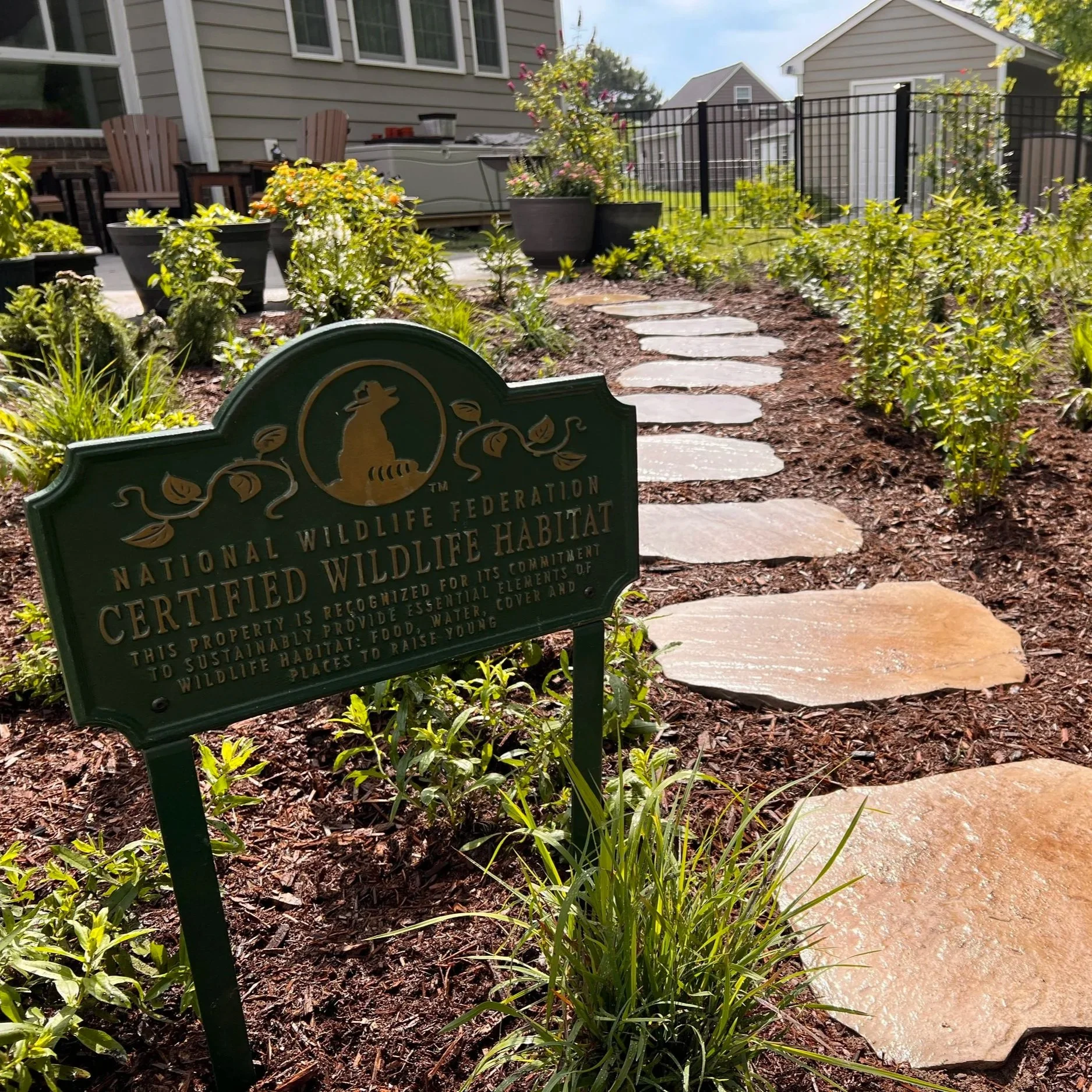
Natural Pathways
Stepping stones, gravel, mulch, natural stone, and other materials that guide movement through the landscape while feeling integrated into the garden.
-
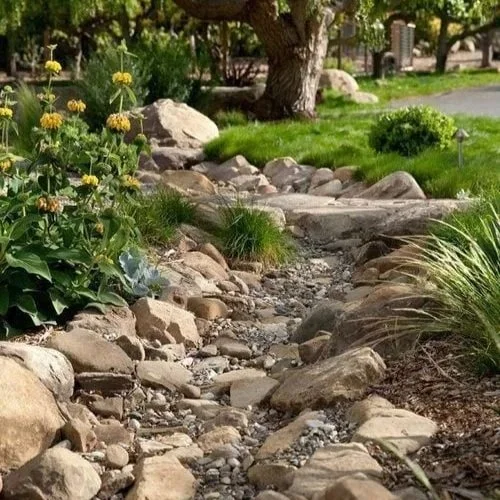
Natural Features
Boulders, logs, stone, water features, and other natural elements that add structure, habitat, texture, and a sense of place.
Other Ecological landscaping Services

Habitat & Biodiversity
Creating layers of vegetation, food sources, shelter, nesting opportunities, and seasonal resources for butterflies, moths, bees, birds, fireflies, and other wildlife.
Working With Existing Trees & Vegetation
Preserving valuable mature plants, incorporating existing trees into the design, and thoughtfully managing vegetation rather than unnecessarily clearing the site.
Soil Health
Protecting and improving the living soil beneath the landscape through organic matter, mulch, appropriate planting, and reduced disturbance.
Reduced Lawn
Replacing portions of traditional lawn with gardens, meadows, groundcovers, pathways, or other spaces that provide greater ecological and functional value.
Seasonal Beauty
Designing with succession in mind so the landscape changes throughout the year—with flowers, foliage, grasses, seed heads, berries, bark, and structure providing interest through every season.
Ecological Stewardship
Caring for the landscape in a way that allows it to mature and evolve while managing weeds, invasive species, pruning, soil health, and plant communities with as little unnecessary disturbance as possible.